
Roof inspections in Spokane & North Idaho
Find the problem before it finds your ceiling. A Remedy inspection covers every accessible part of the roof, photographs what we find, and gives you a written report with what needs attention now and what can wait.
Most inspections take 1 to 2 hours. The report arrives within 24 to 48 hours.
★★★★★ 4.9 stars on Google
Locally owned & operated
Free estimates
When should you have your roof inspected?
Once a year, in spring or fall, and any time something changes: a storm, a sale, a stain on the ceiling. Small problems are cheap to fix. The same problems a year later are not.
What a Remedy roof inspection covers
Every accessible part of the roof, in the same order every time, so nothing gets missed.
Shingles and roof surface
The surface tells you how much life is left in the roof.
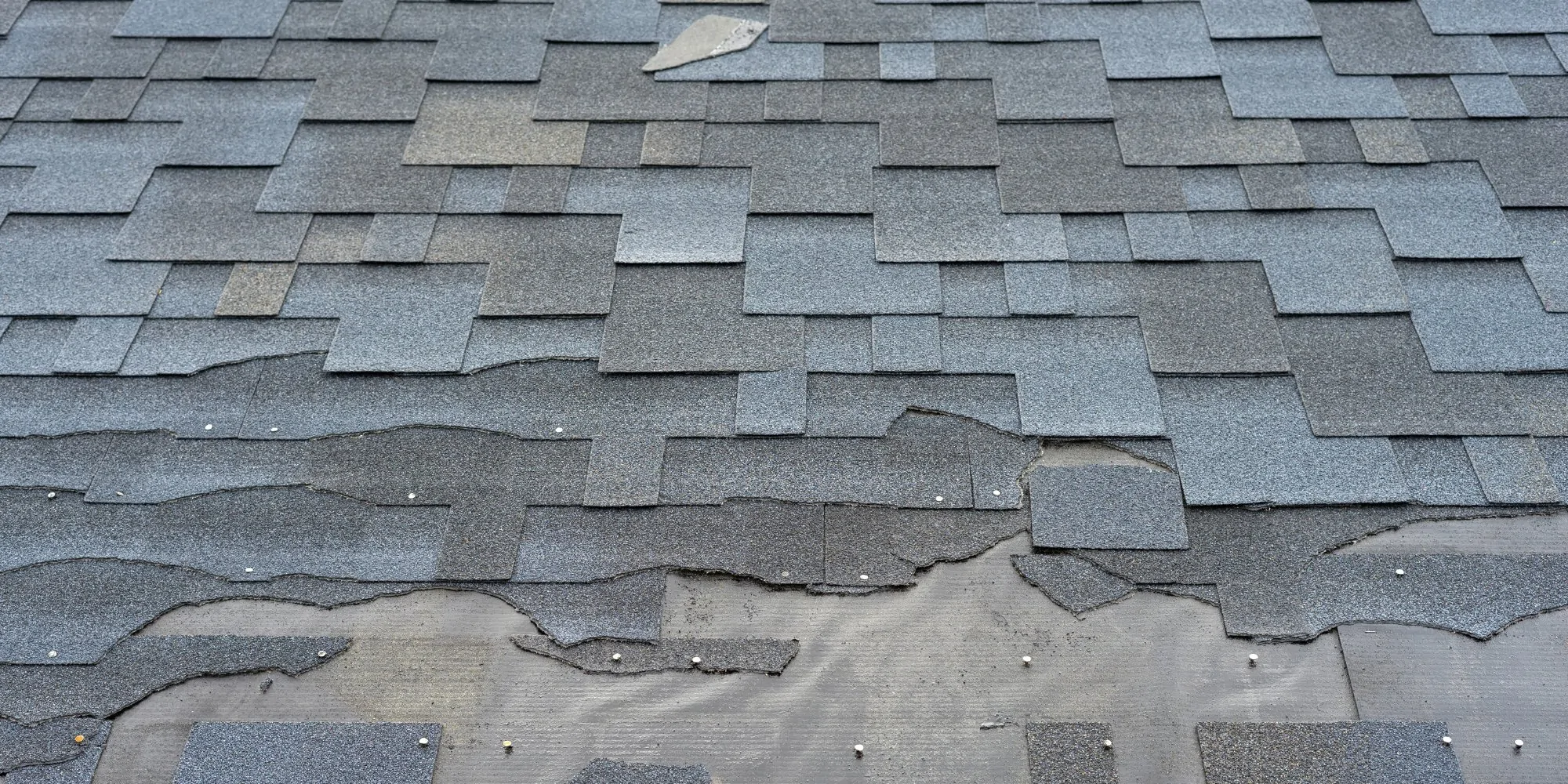
Missing or damaged shingles
Cracked, curling, torn, or missing shingles that let water in.
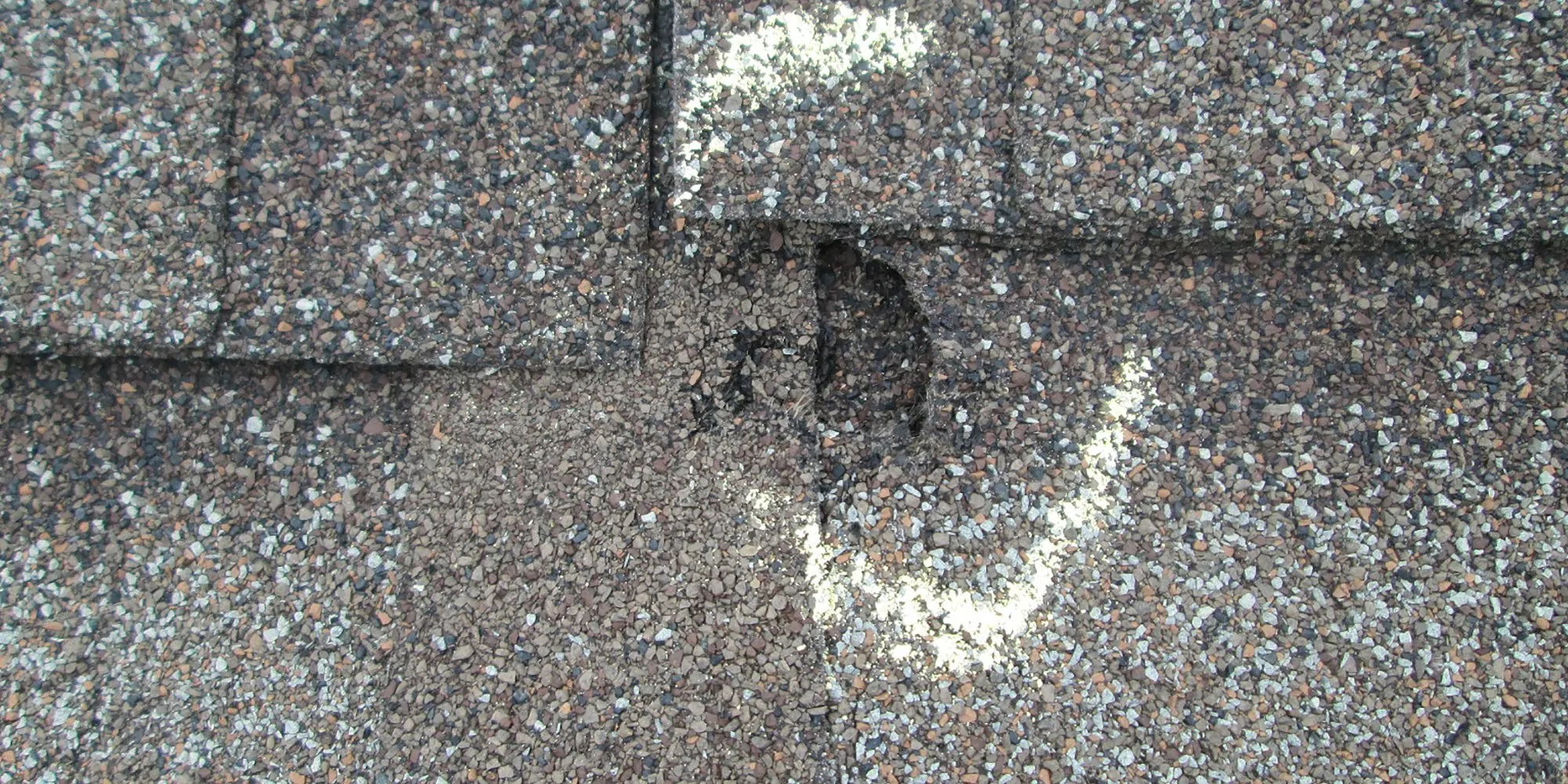
Granule loss
Heavy loss means aging shingles and lost UV protection. We use it to estimate remaining life.
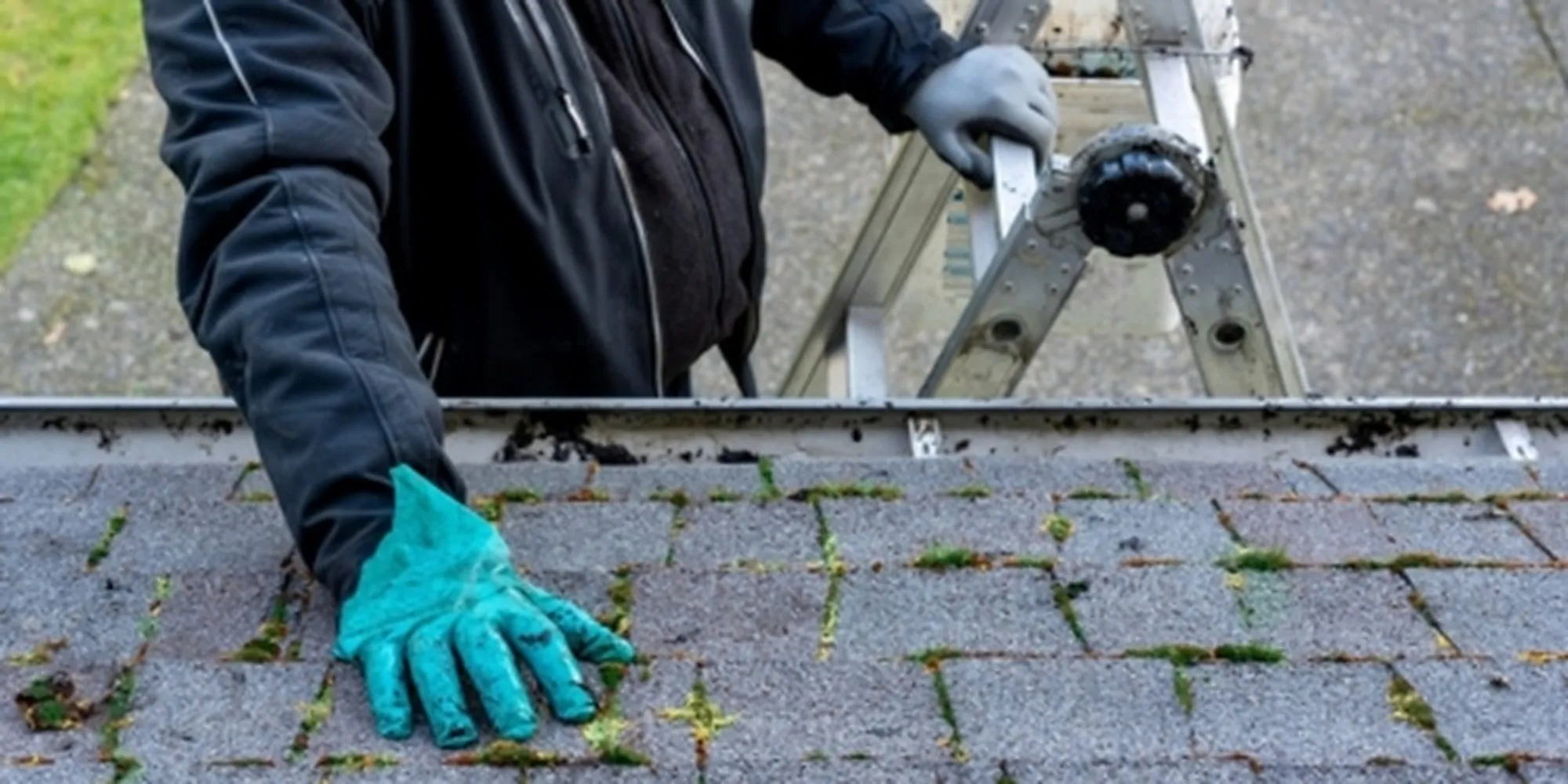
Algae and moss
Growth that traps moisture and speeds up deterioration. We tell you whether cleaning or treatment is the fix.
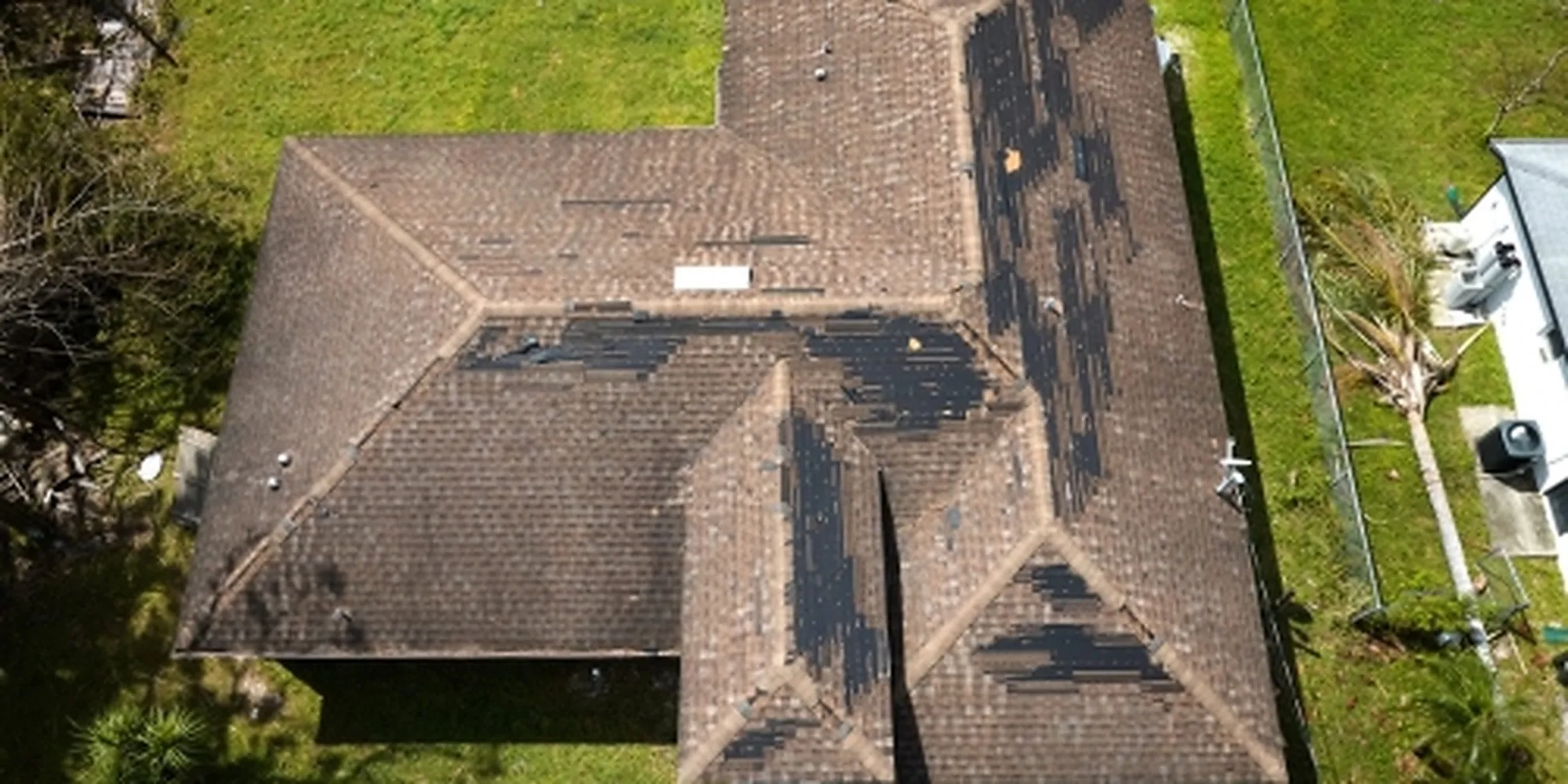
Storm damage
Hail and wind damage is not always obvious from the ground. We look for the subtle signs.
Structure and drainage
The parts that keep the roof doing its job.
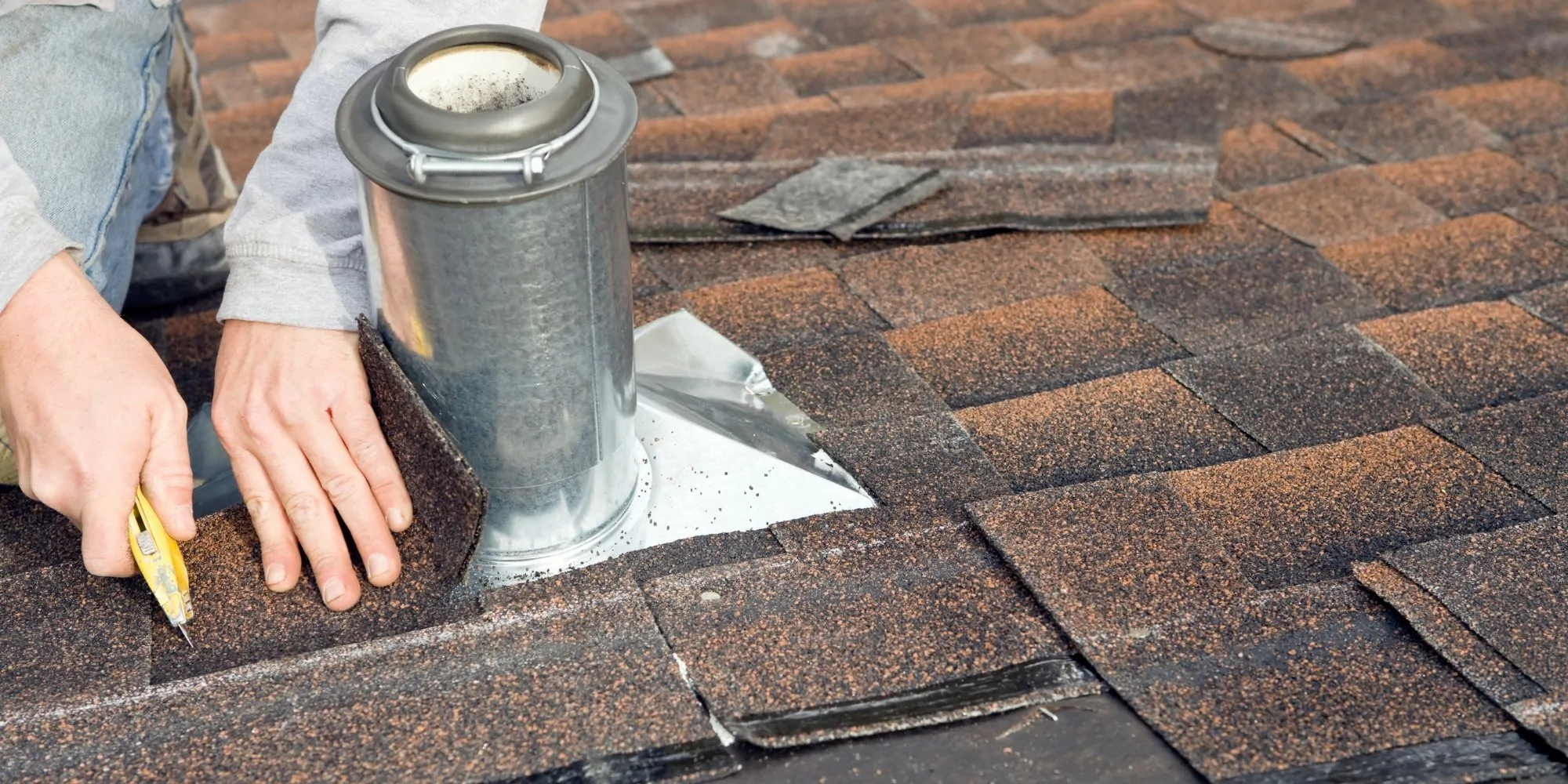
Flashing. Every piece around chimneys, skylights, valleys, and walls, checked for gaps, rust, and bad installation.
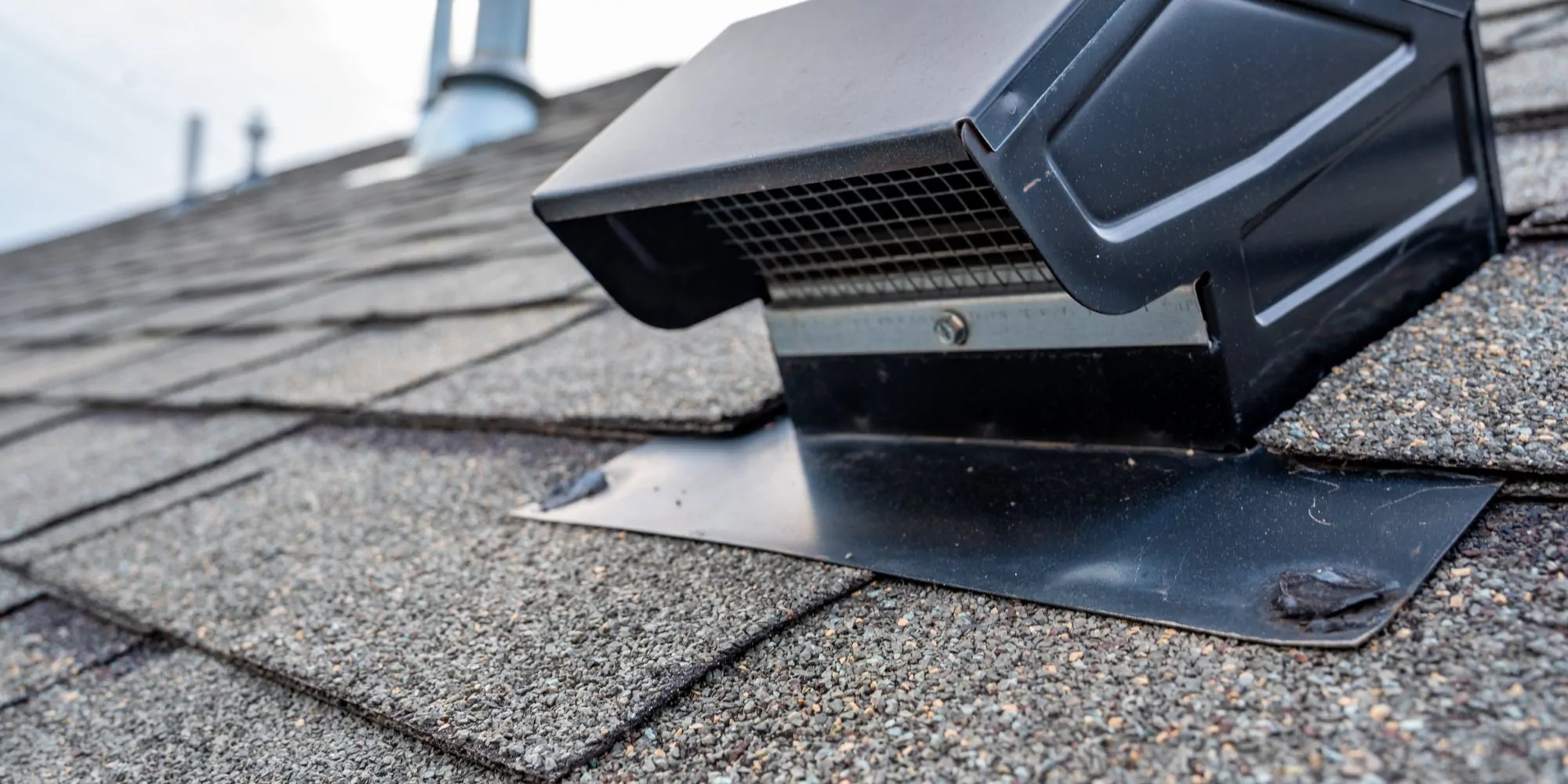
Ventilation. Attic ventilation that prevents ice dams, extends shingle life, and lowers energy bills.
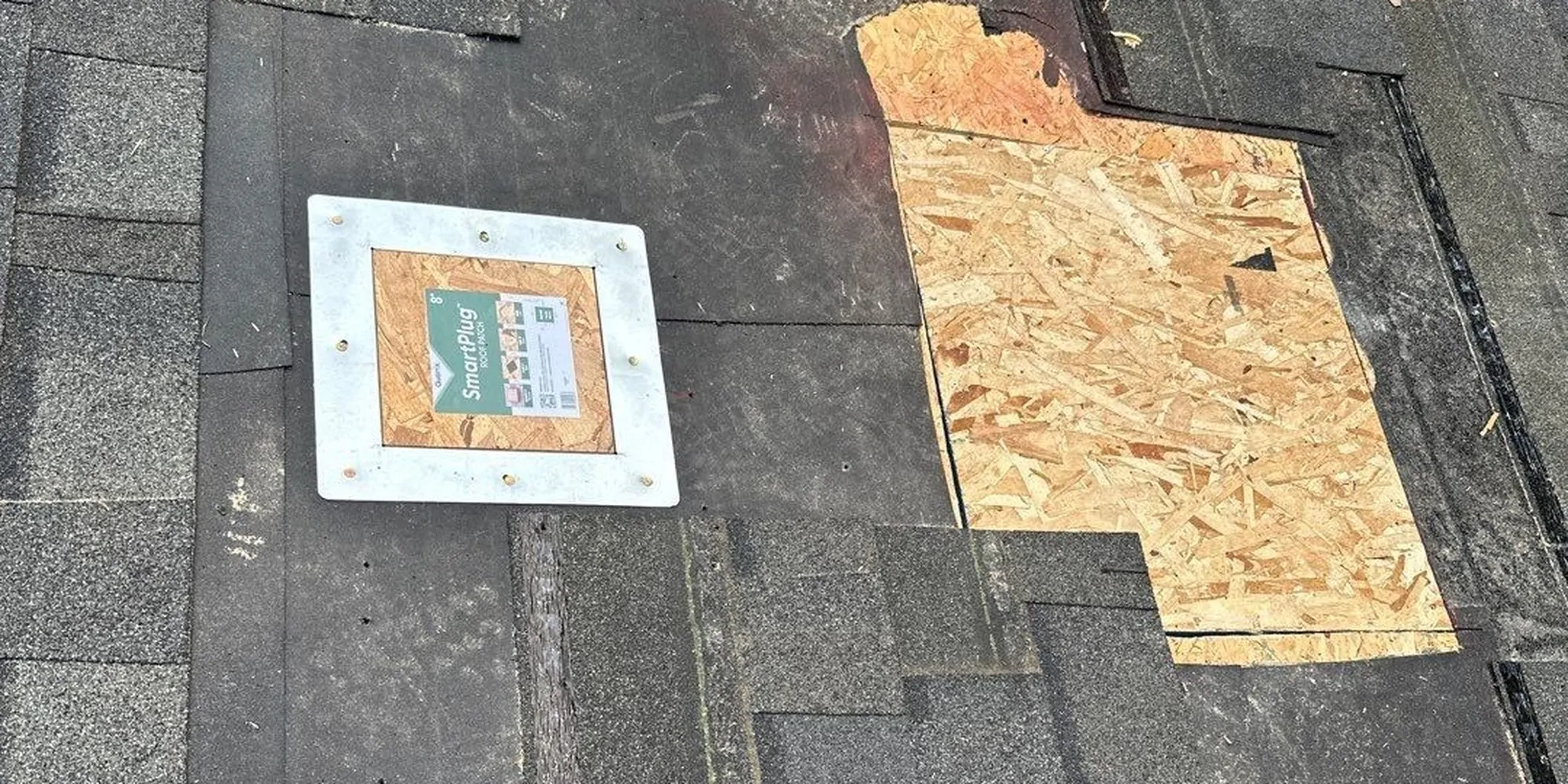
Decking. Sagging, water damage, or rot that points to structural problems.
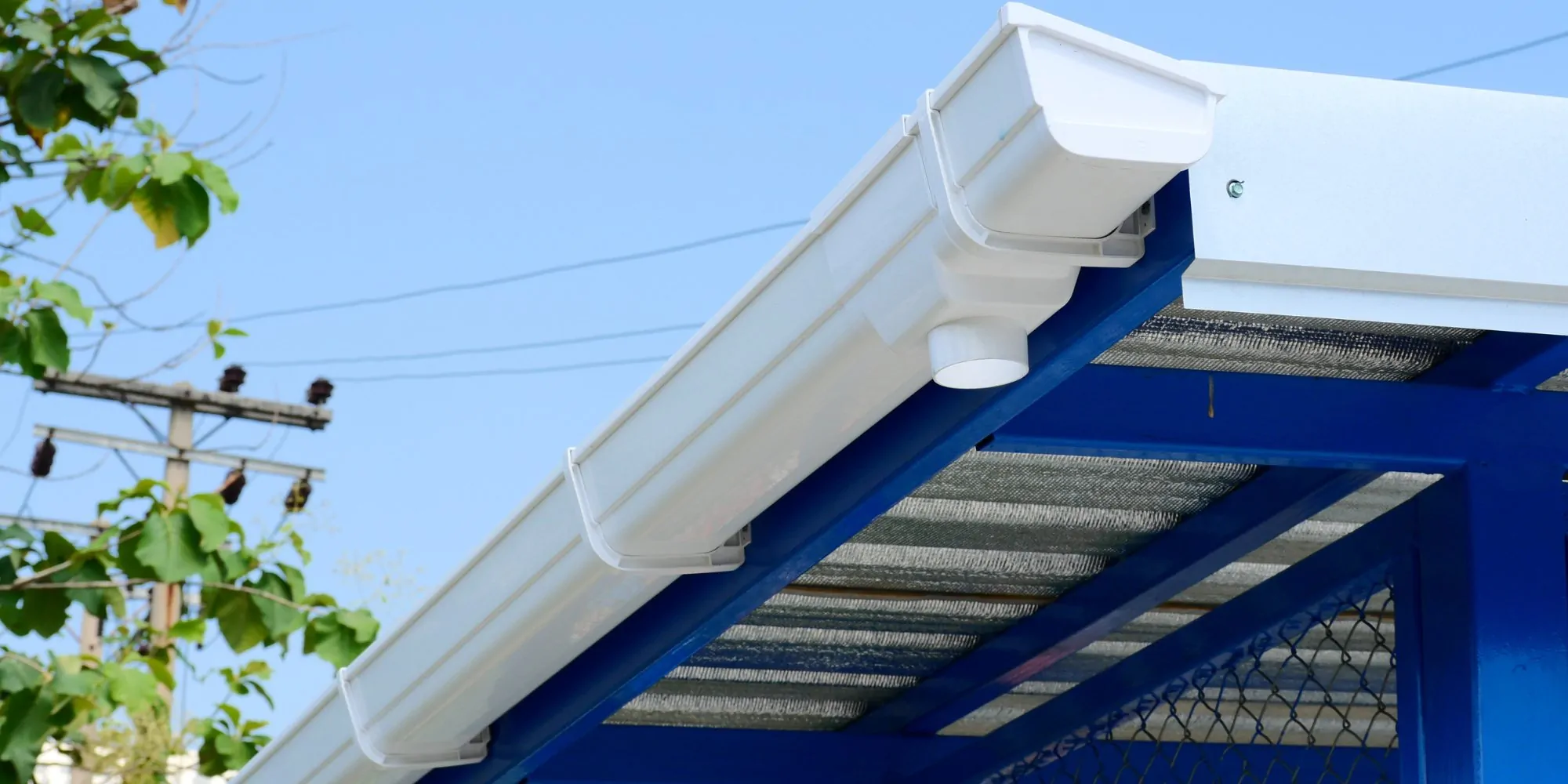
Gutters and drainage. Clogged or damaged gutters back water up under the shingles and rot the fascia.
Where roofs leak
The spots where water concentrates and leaks start.
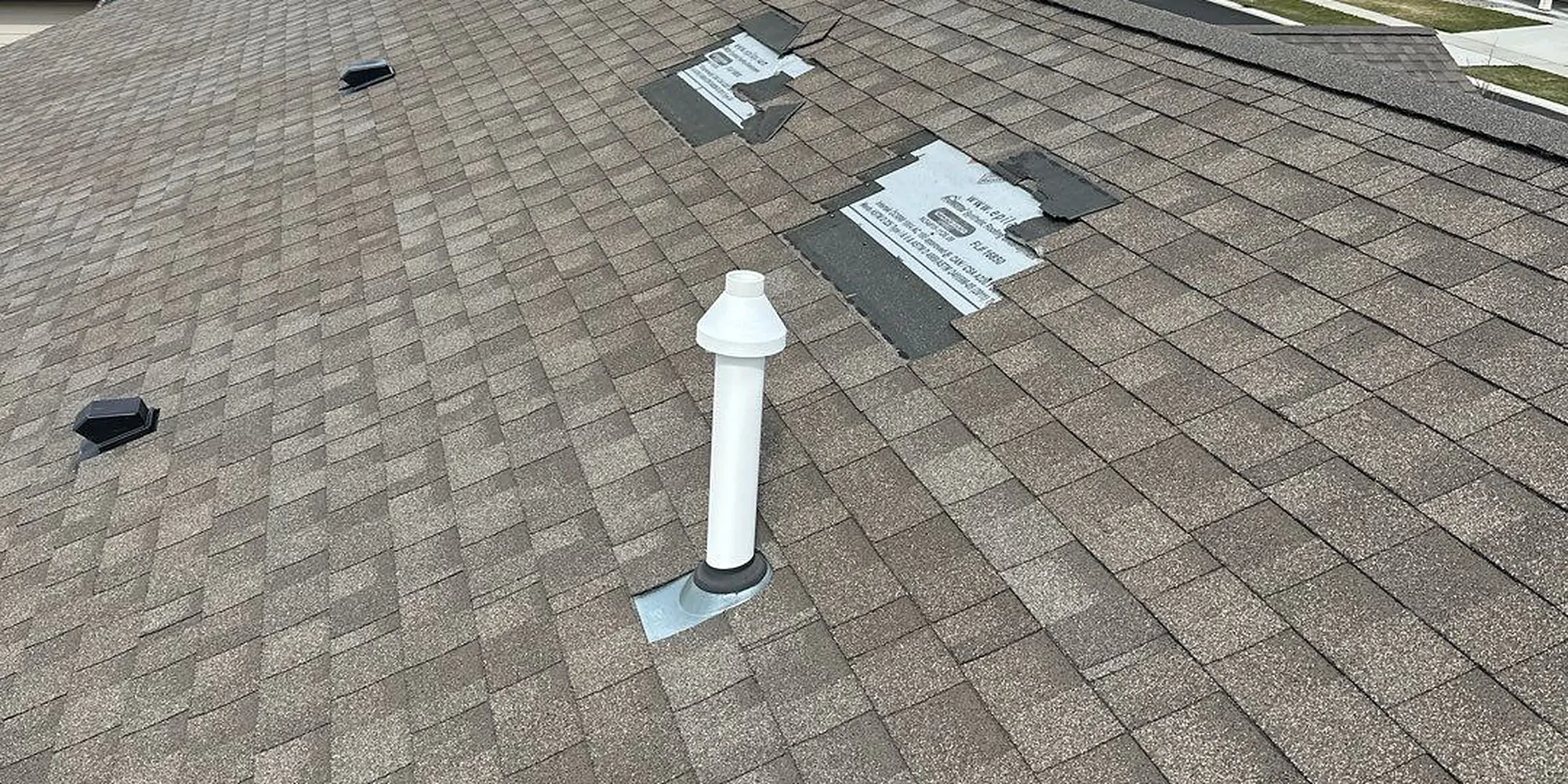
Roof penetrations. Vents, pipes, and their rubber boots, the most common leak source on any roof.
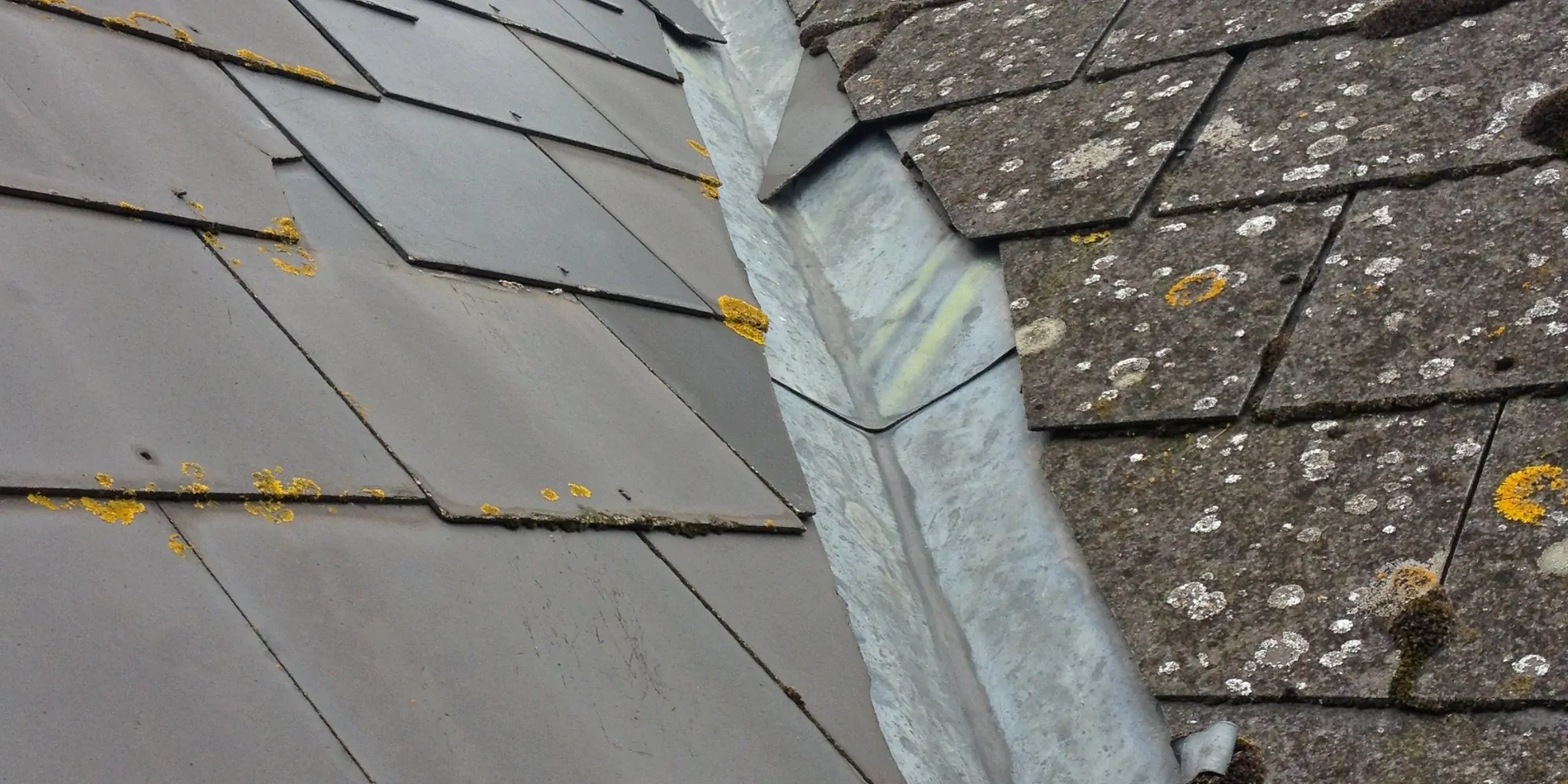
Valleys and low slopes. Where water concentrates and shingles wear fastest.
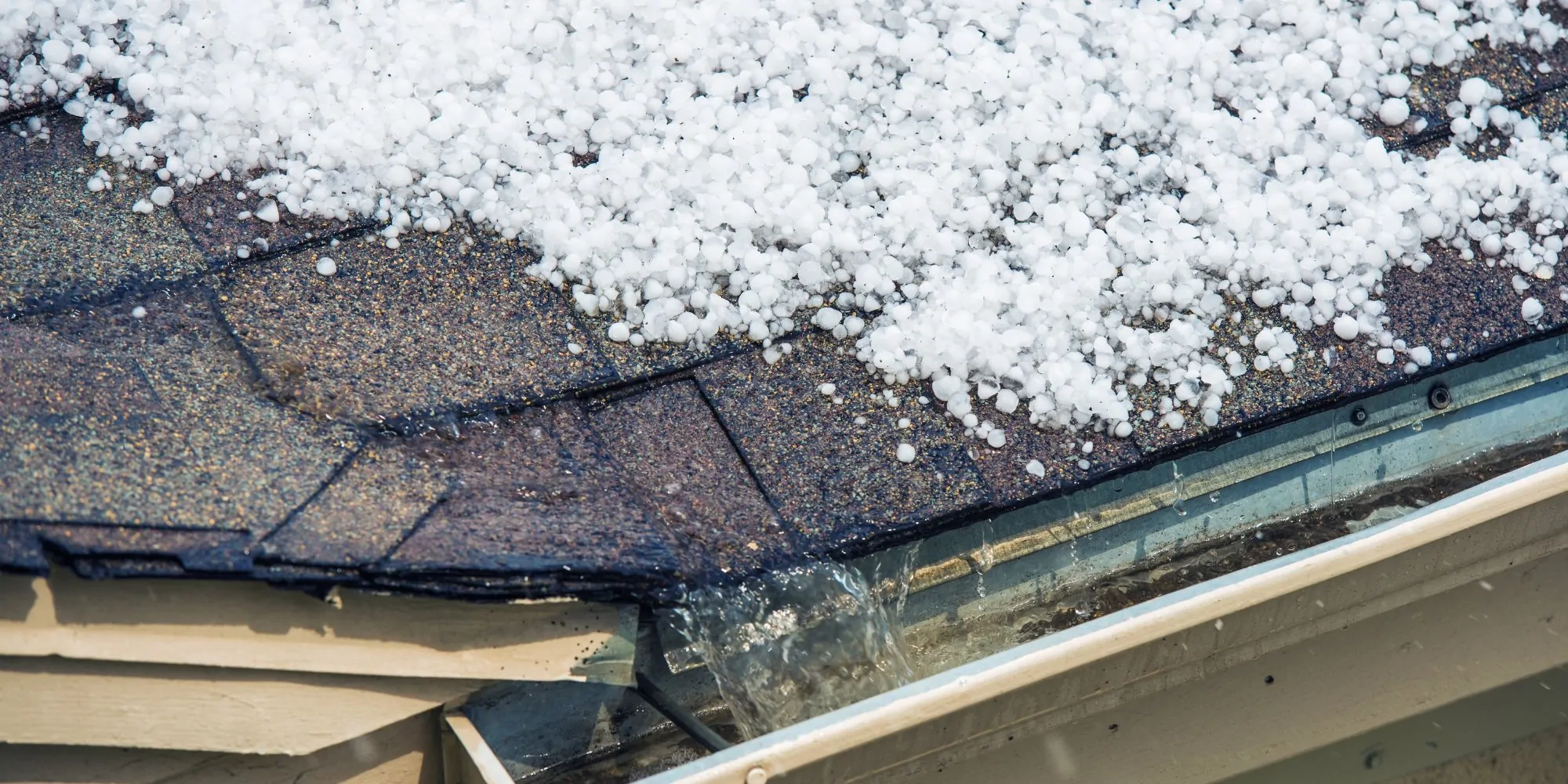
Eaves and overhangs. Where ice dams form and push water back under the shingles.
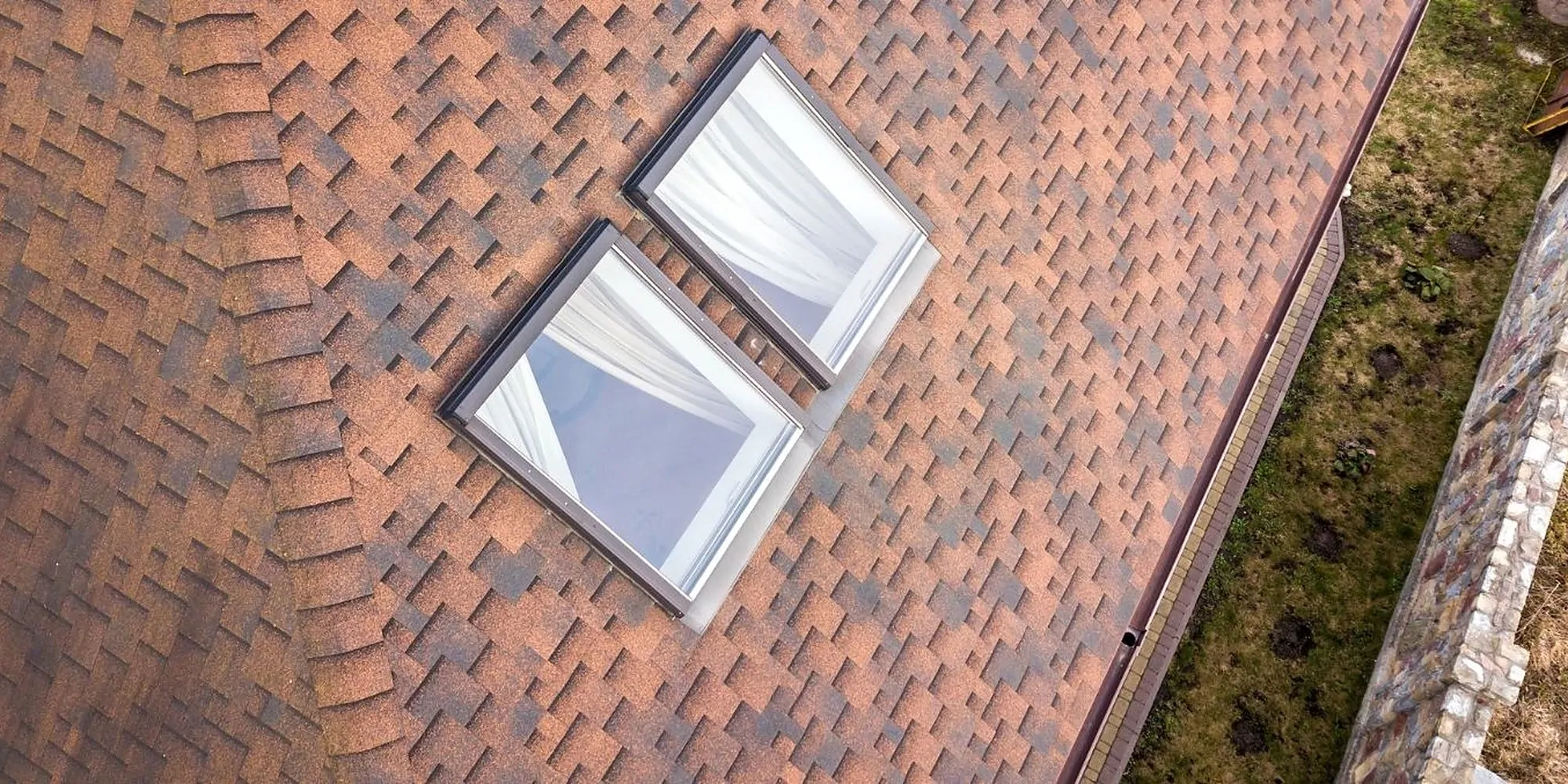
Skylights and chimneys. Seals, flashing, and counter-flashing on the two features that leak most often.
What the report tells you
Findings sorted into three lists, so you know what needs attention now and what can be planned.
Urgent repairs.
Active leaks, missing shingles, failed flashing. Things that get worse with the next rain.
Recommended maintenance.
Cleaning, resealing, minor repairs, and whether the roof qualifies for restoration.
Items to monitor.
Wear that is not a problem yet, with a note on when to check it again.
Every recommendation comes with an estimated cost and a timeline, so you can plan the work instead of reacting to it.
before any work starts.
What a roof inspection costs
The report includes photos, a written assessment, prioritized recommendations, cost estimates for any work, and an estimate of the roof’s remaining life. Any work that follows is priced separately and fixed in writing before it starts.
Storm damage and insurance claims
Many homeowners do not know they have storm damage until an inspection finds it.
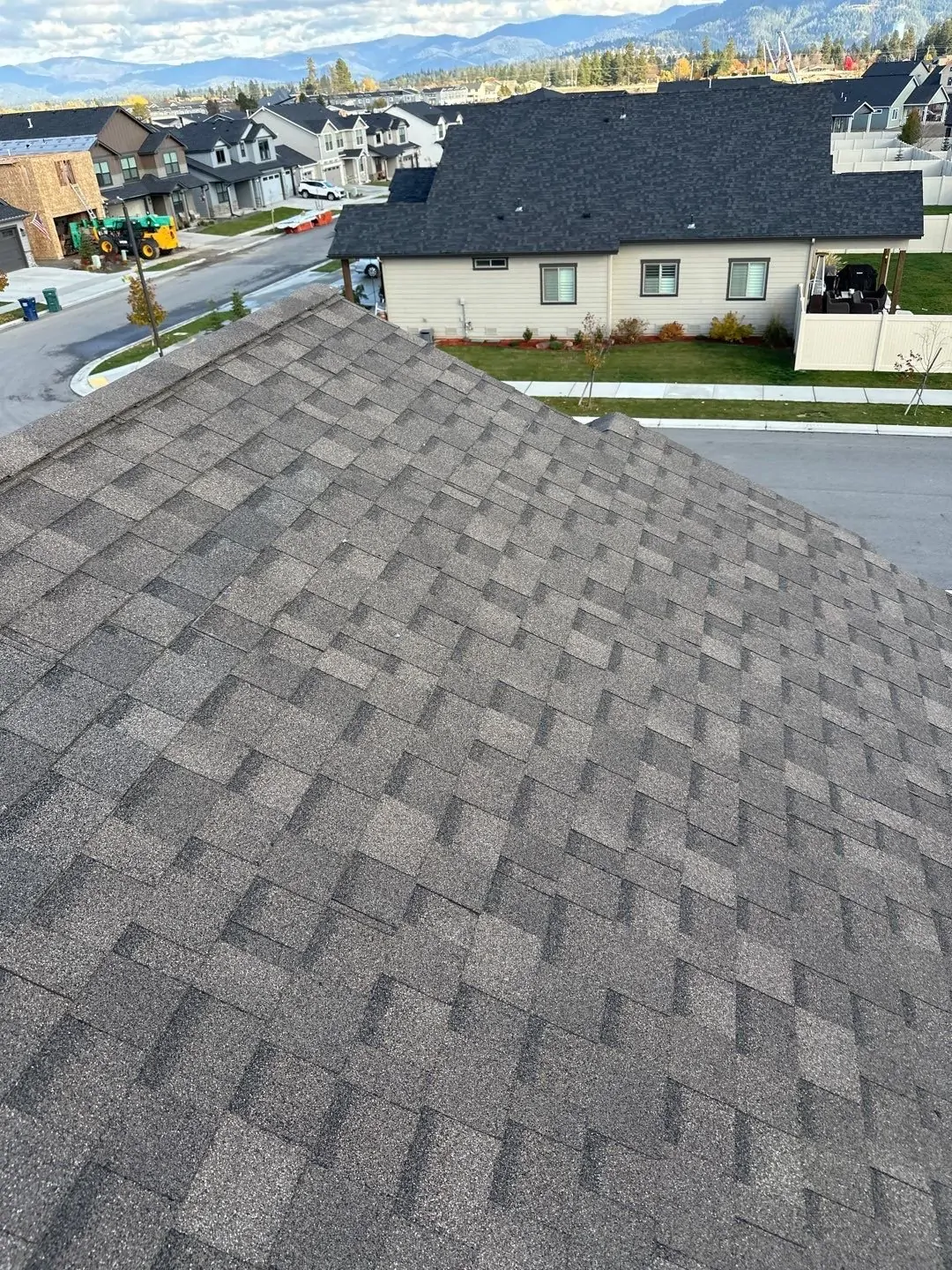
If the roof has hail or wind damage, the report gives your insurer what it needs: photos of every damaged area, a written assessment of cause and extent, and a repair estimate for the adjuster.
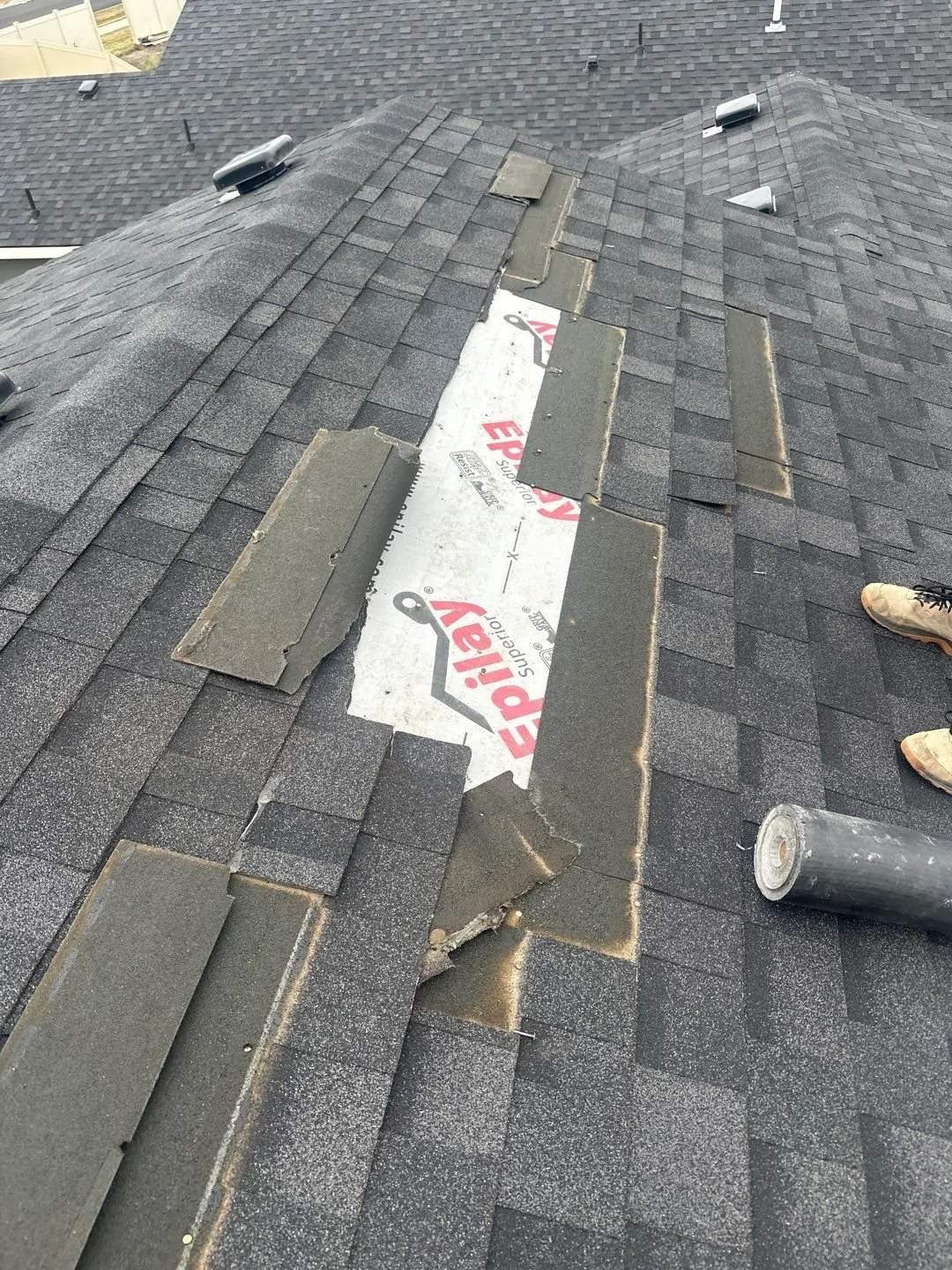
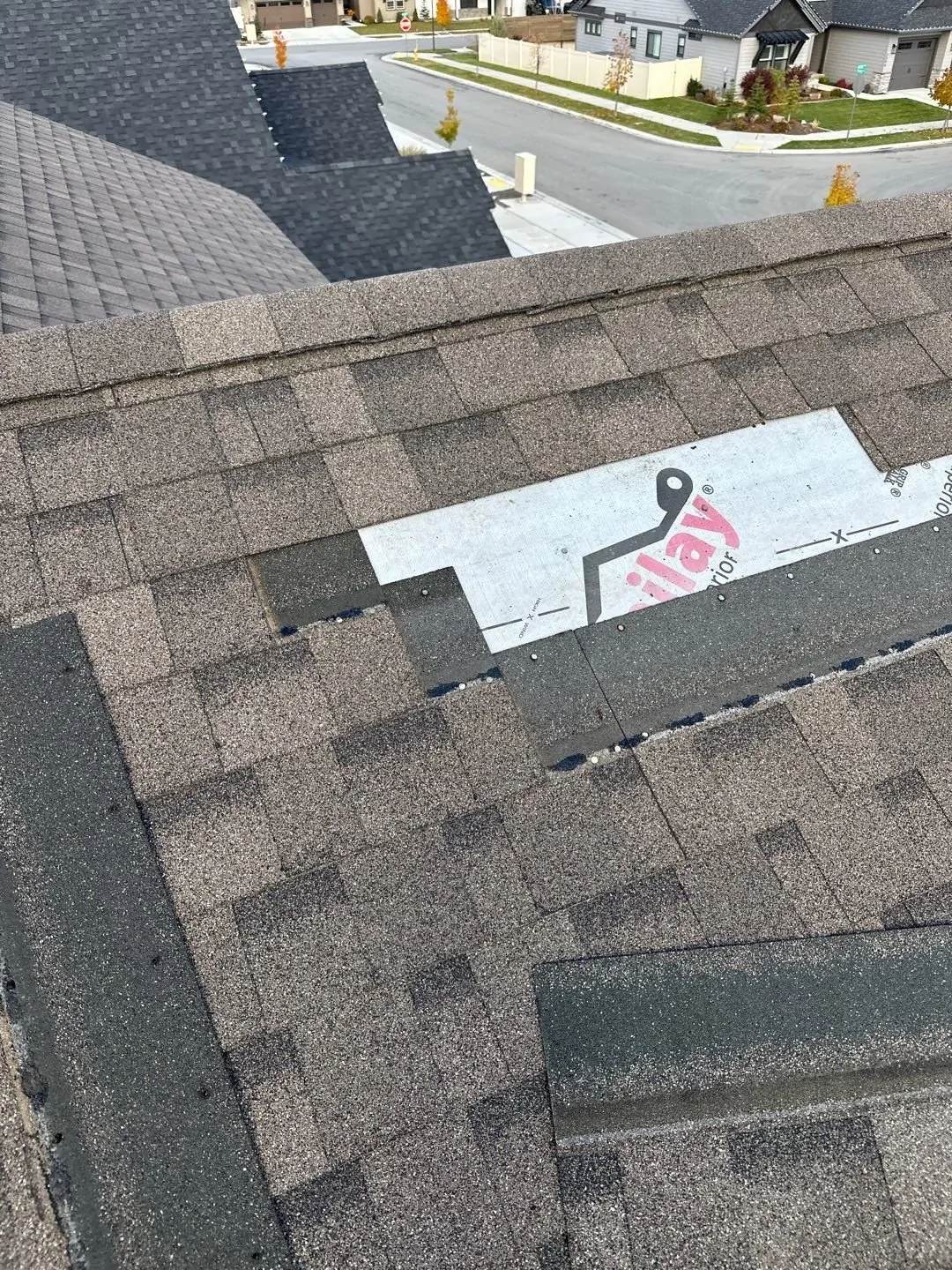
Does homeowners insurance cover storm damage to a roof?
Usually, yes. Sudden damage from wind, hail, and falling trees is what your policy exists for. Wear and tear, and problems from deferred maintenance, usually are not covered.
What does Remedy provide for a claim?
Photos of every damaged area, a written assessment of the cause and extent, and a repair estimate you can hand to your adjuster.
What happens when you call
The inspection
Every accessible area of the roof, in a set order. 1 to 2 hours for most homes.
Photos
Every area of concern, from more than one angle, organized by location and issue.
The report
A written assessment with findings in three lists, cost estimates, and the roof’s remaining life. Within 24 to 48 hours.
Next steps
Repair, restoration, or replacement, priced in writing. Or nothing, if the roof is fine. We are available for questions after.
Any repair that follows an inspection is backed by the Remedy Workmanship Warranty. Learn more →
Frequently asked questions about roof inspections
How often should I have my roof inspected?
Once a year, ideally spring or fall, and after any major storm, before buying or selling, or when you see damage.
What are the signs I need one?
Water stains on ceilings or walls, missing or damaged shingles, granules in the gutters, daylight through the roof boards, sagging, higher energy bills, or visible damage after a storm.
How long does it take?
1 to 2 hours for most homes. The report arrives within 24 to 48 hours.
Can an inspection help with an insurance claim?
Yes. The photo documentation and written assessment are what insurers need to process a storm damage claim.
What is in the report?
Photos of every finding, a written assessment, findings sorted by urgency, cost estimates for recommended work, and an estimate of remaining roof life.
Can you tell me how long my roof has left?
Yes. The report includes an estimate of the roof’s remaining life, based on shingle condition and granule loss.
Will you try to sell me a new roof?
Only if you need one. The report gives an honest recommendation, repair, restoration, or replacement, with costs for each. If the roof is fine, it says so.
Can I get an inspection before I buy a house?
Yes. Buying or selling is one of the main reasons to book one.
Get a no-nonsense, no-pressure quote for your roofing project
As an owner-operated business, you can count on us to stand behind our commitments and provide an experience you'll be proud to recommend to your community. After all, we live here too!
Our service area
We work where we live
Remedy Roofworks is a small, owner-operated crew. Nick does the inspections himself, and there is a good chance he has already been up on a roof on your street. We stay inside a comfortable drive of home on purpose, so we can come back when you call.
Post Falls, Dalton Gardens, Hauser, Twin Lakes, Athol, Liberty Lake, Otis Orchards, and the county roads in between.