Roof leak and storm damage repairs in Spokane & North Idaho
A stain on the ceiling, a drip in the attic, shingles in the yard after a windstorm. When water hits the ceiling, it’s an emergency.
From minor roof repairs to significant shingle surgery, call Remedy Roofworks for a same or next-day assessment. In many cases, the repairs are completed at the same time.
★★★★★ 4.9 stars on Google
Locally owned & operated
Free estimates
What should you do if your roof is leaking?
Leaks rarely start where the water shows up inside. Water travels along rafters and decking before it finds a way through the ceiling. That’s why the repair starts with finding the source.
Common roof repairs in Spokane and North Idaho
Our winters push water under shingles and our summers bake them brittle. These are the repairs that keep us busy.
Leaks and water intrusion
Freeze-thaw cycles and spring melt find every weak seal on a roof.
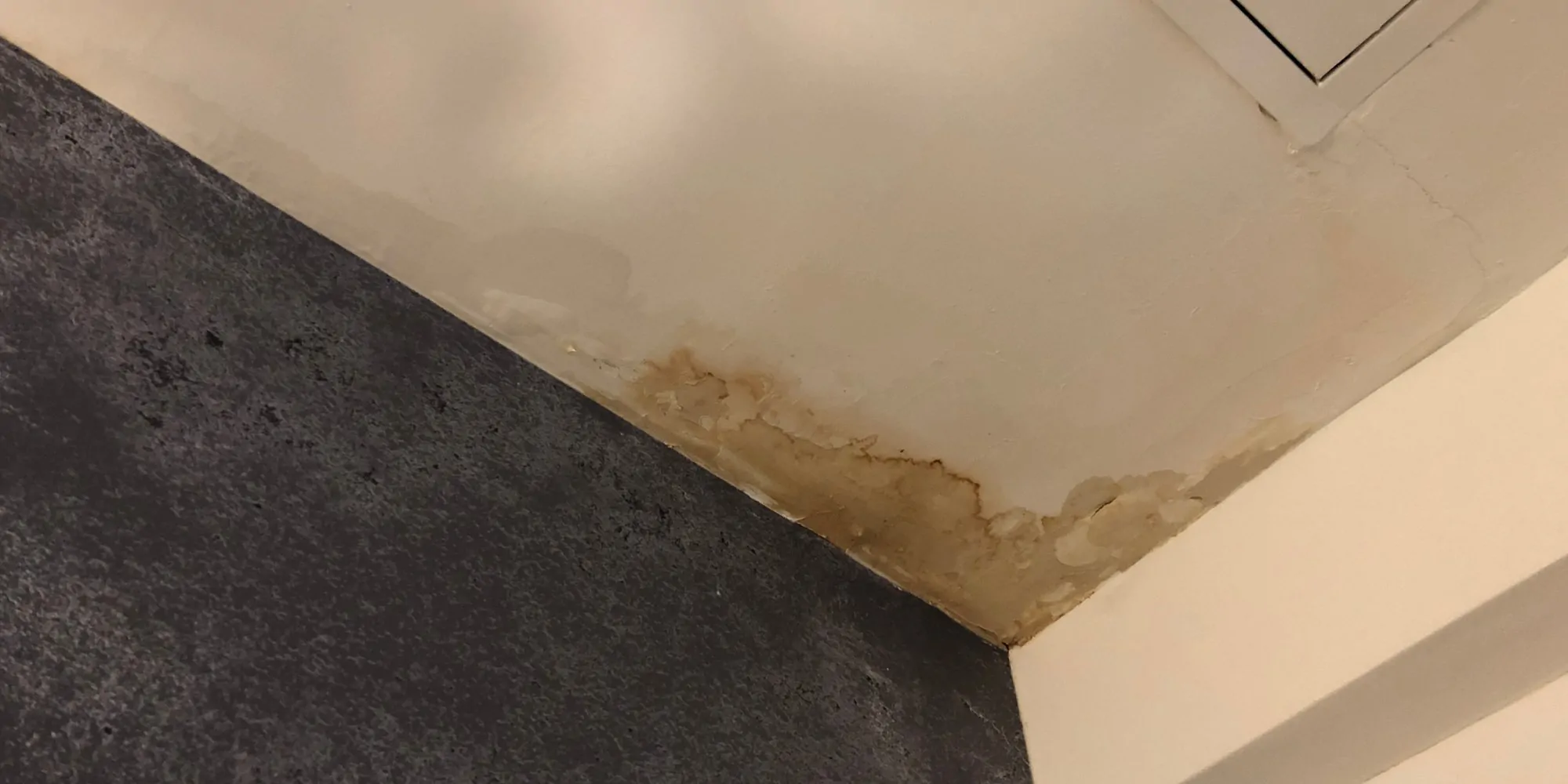
Active leaks
Water inside the house needs to stop today. We trace it to the source, seal it, and check the surrounding area so the same leak doesn’t show up two feet over next spring.
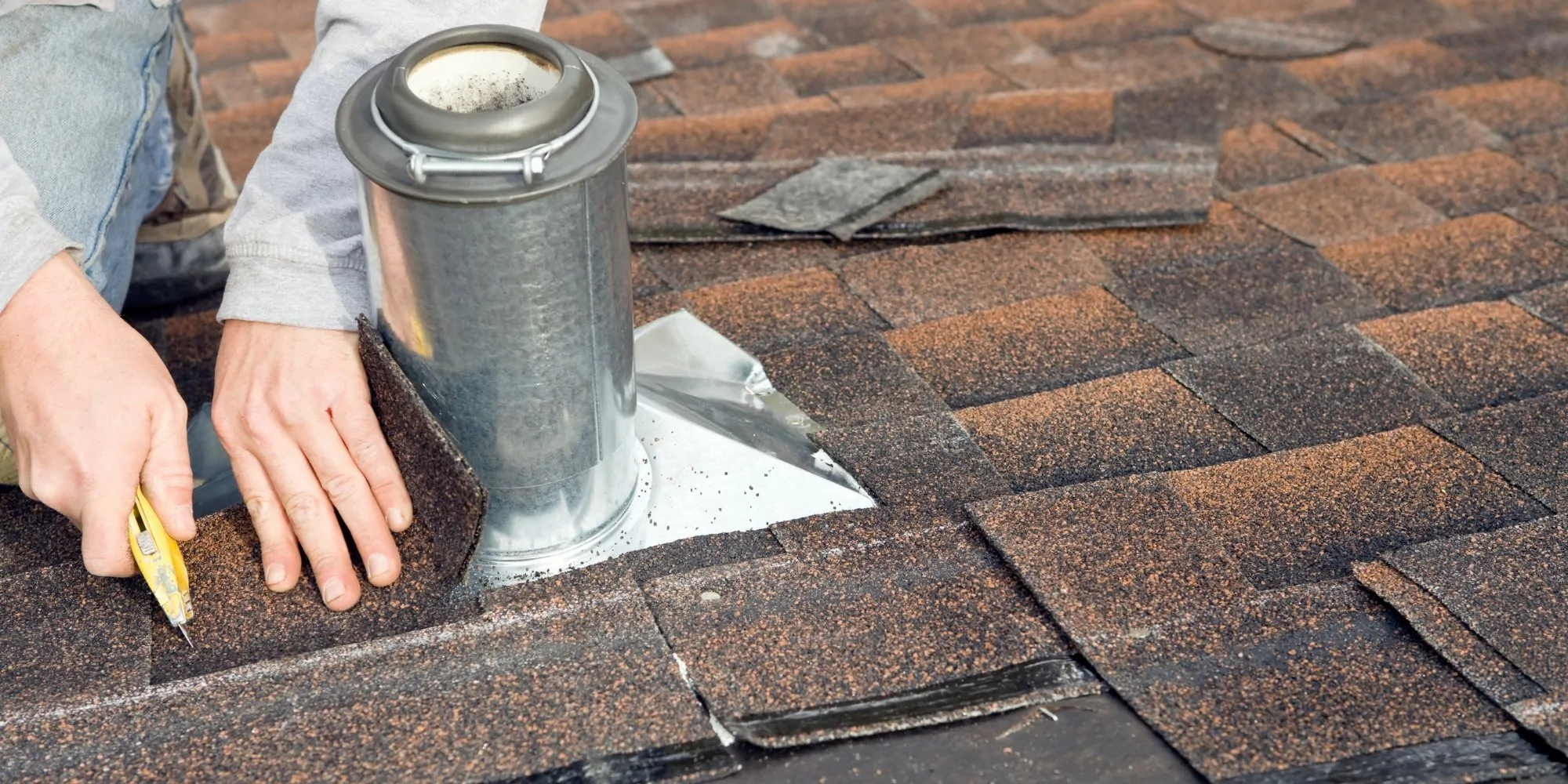
Flashing failures
Chimneys, skylights, and wall joints are where most leaks start. We reseal or replace the flashing so the joint stays watertight for years.
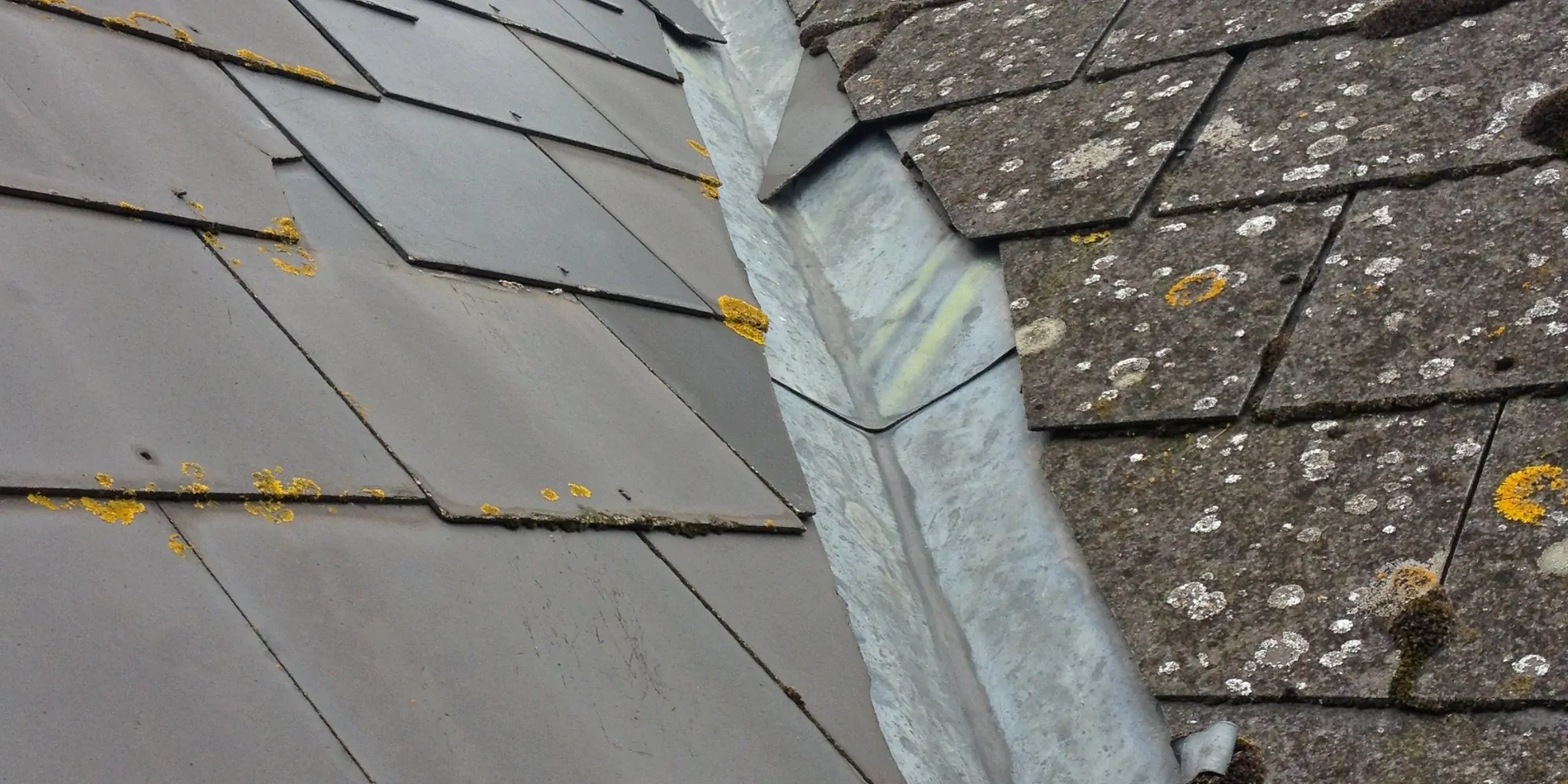
Valley leaks
Valleys carry more water than any other part of your roof, so worn shingles or a bad install there turns into a leak fast. We rebuild the valley so water moves the way it should.
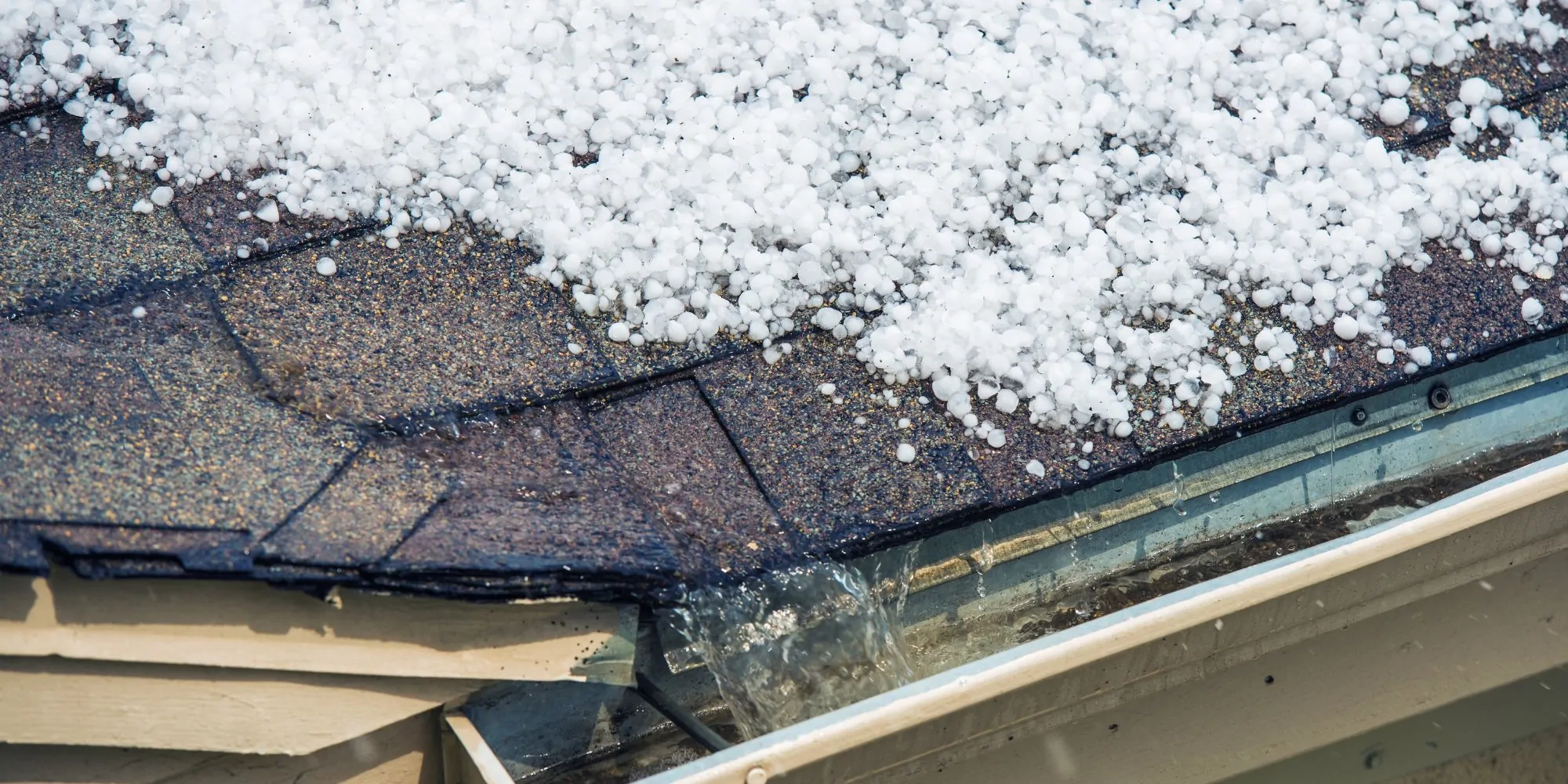
Ice dam damage
Ice dams force melt water back up under the shingles. We repair the damage and address the attic ventilation that built the dam, so it doesn’t come back next winter.
Shingles and surface damage
Wind off the prairie and hail in June do most of the damage here.
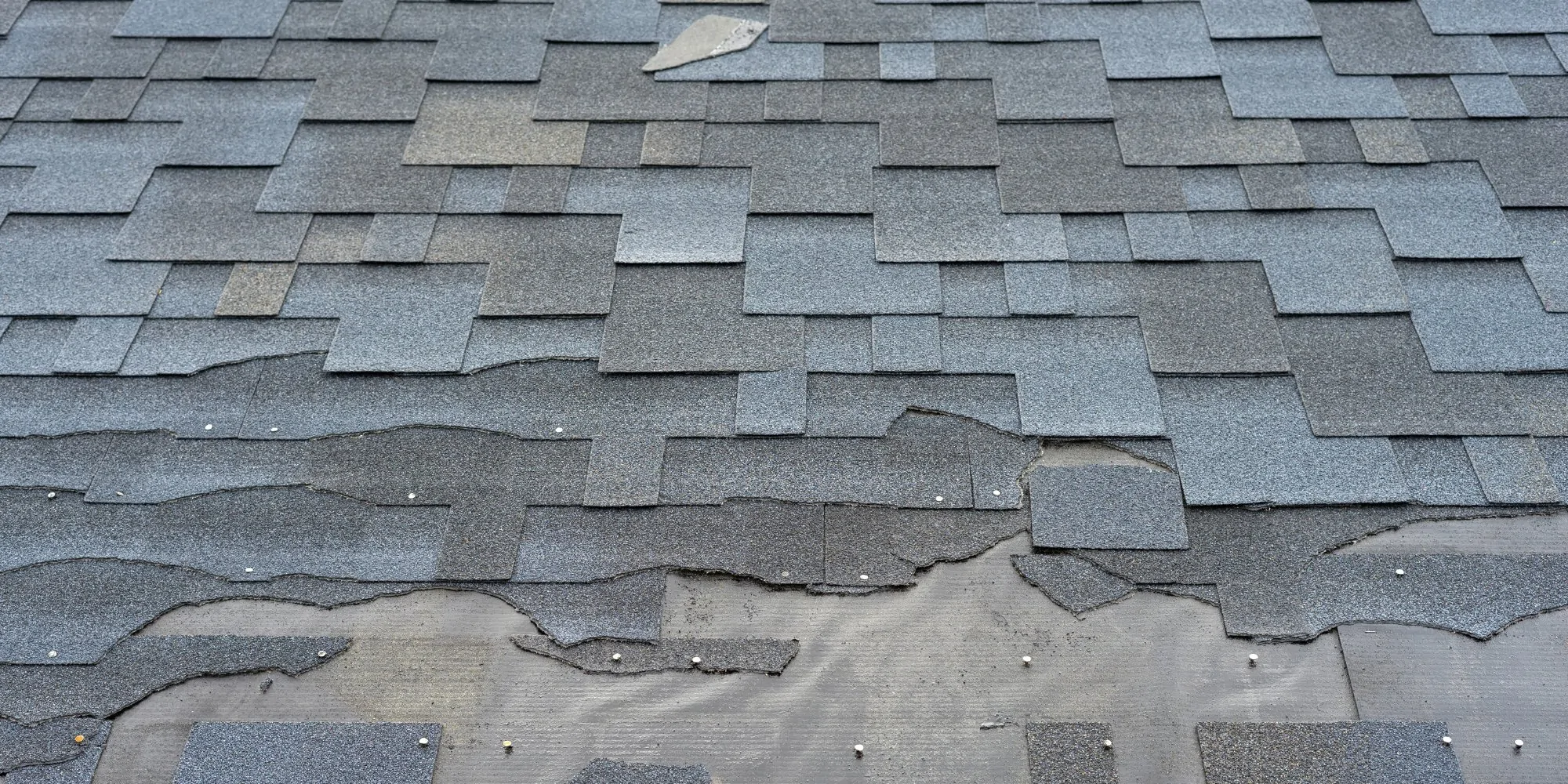
Missing shingles. Replaced and matched to your existing roof for color and profile, so the repair disappears into the roofline.
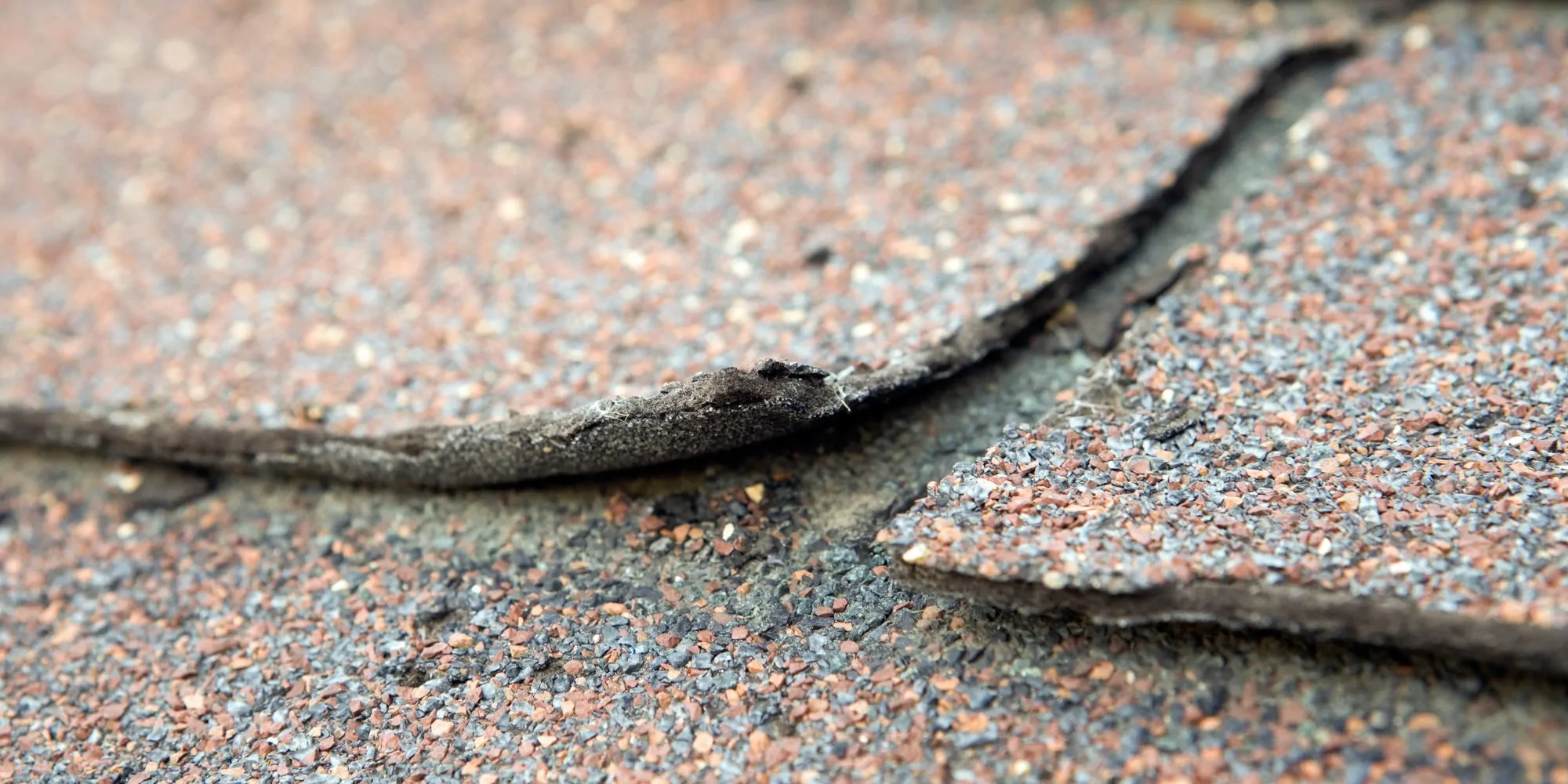
Cracked or brittle shingles. Temperature swings crack them. We replace them before they let water through.
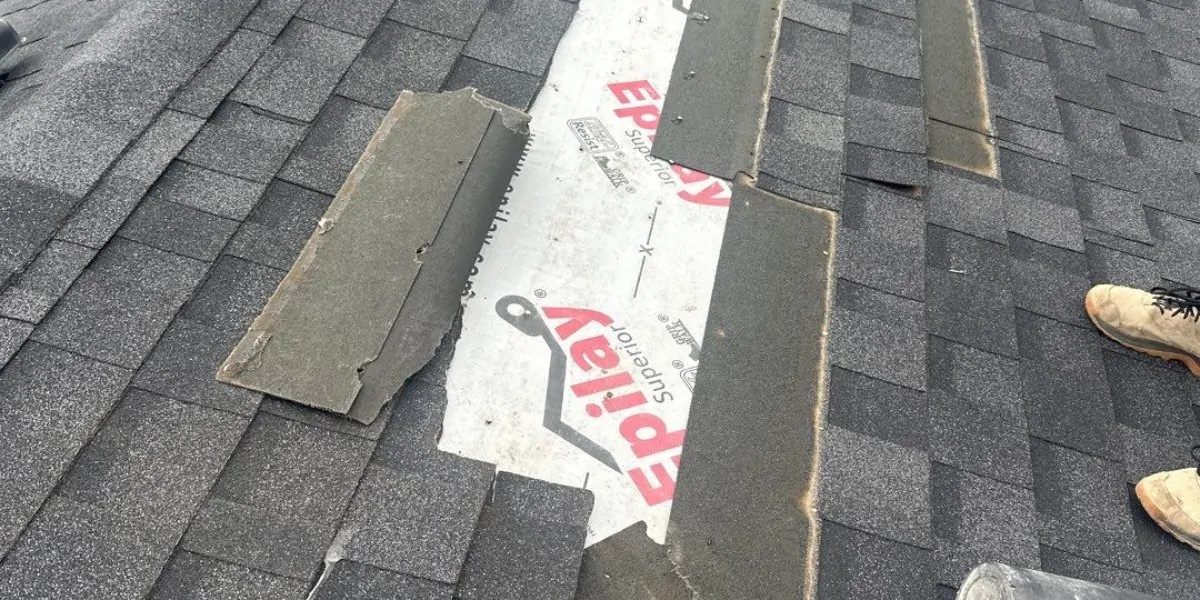
Wind damage. Lifted and torn shingles are resealed or replaced to restore the roof’s wind resistance.
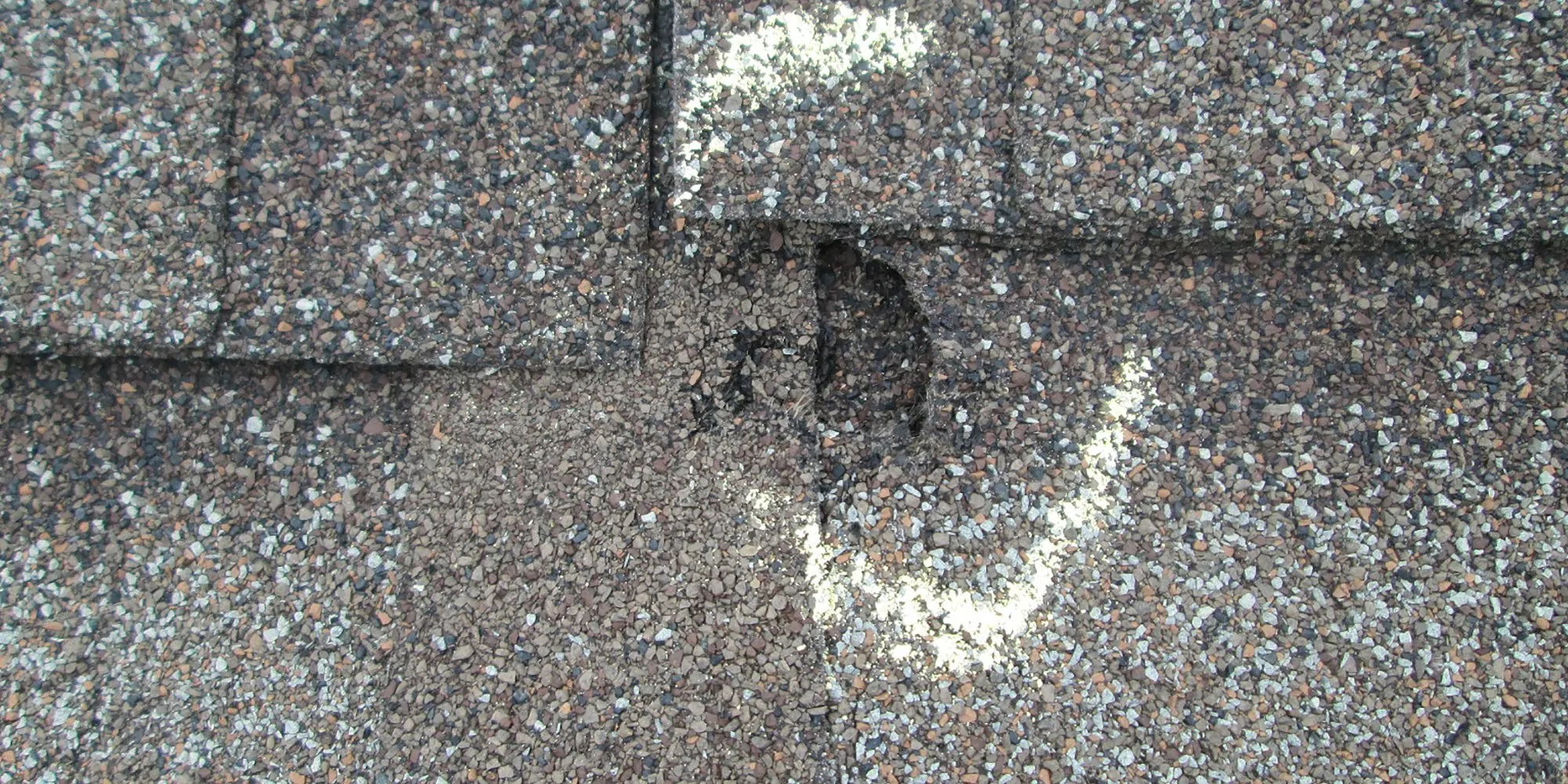
Hail damage. Cracked shingles and granule loss, documented for your insurer and repaired.
Structure and components
The parts you never look at are the ones that fail quietly.
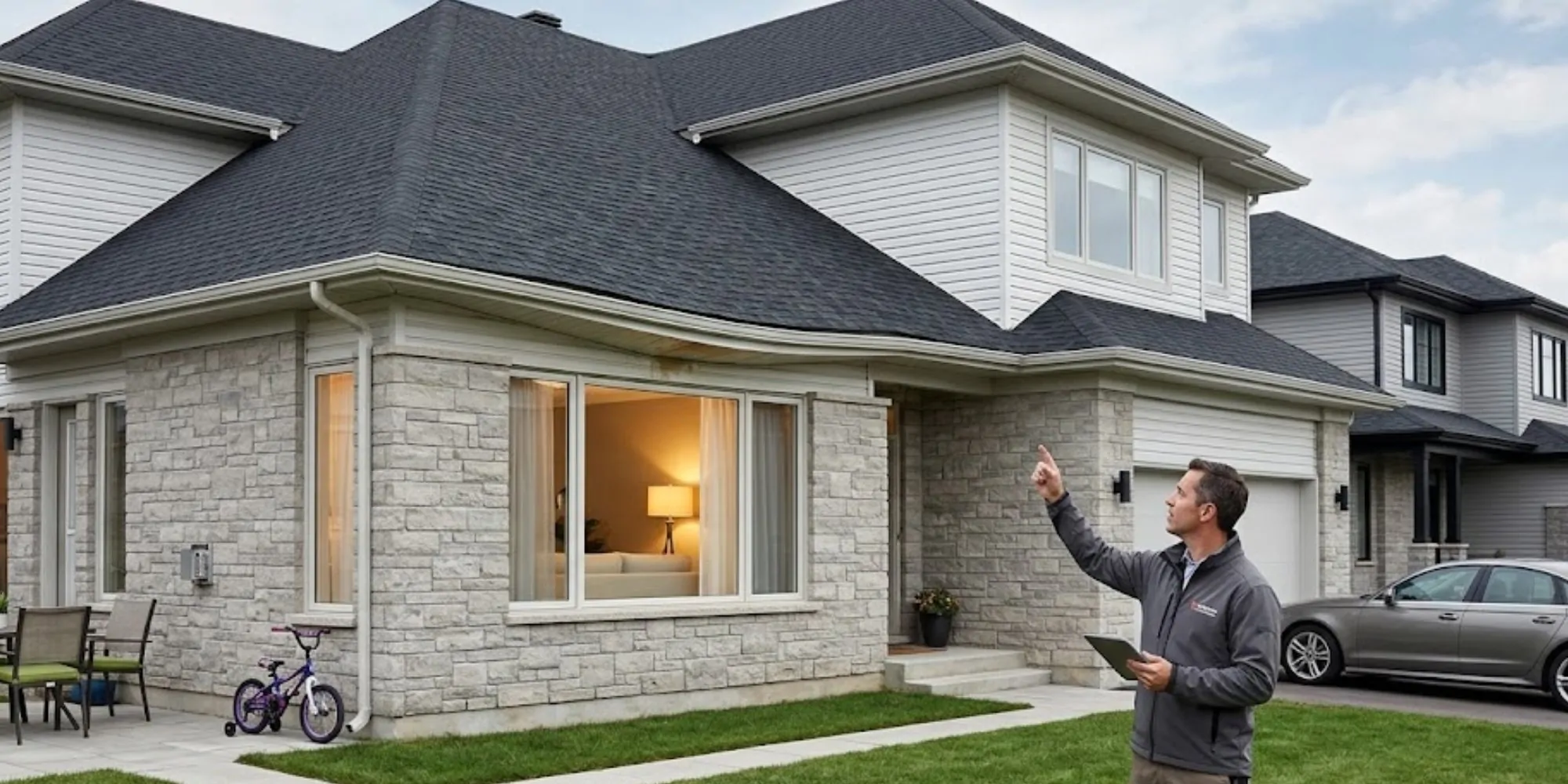
Sagging or soft spots. A sign the decking underneath has taken water. We replace it before it spreads.
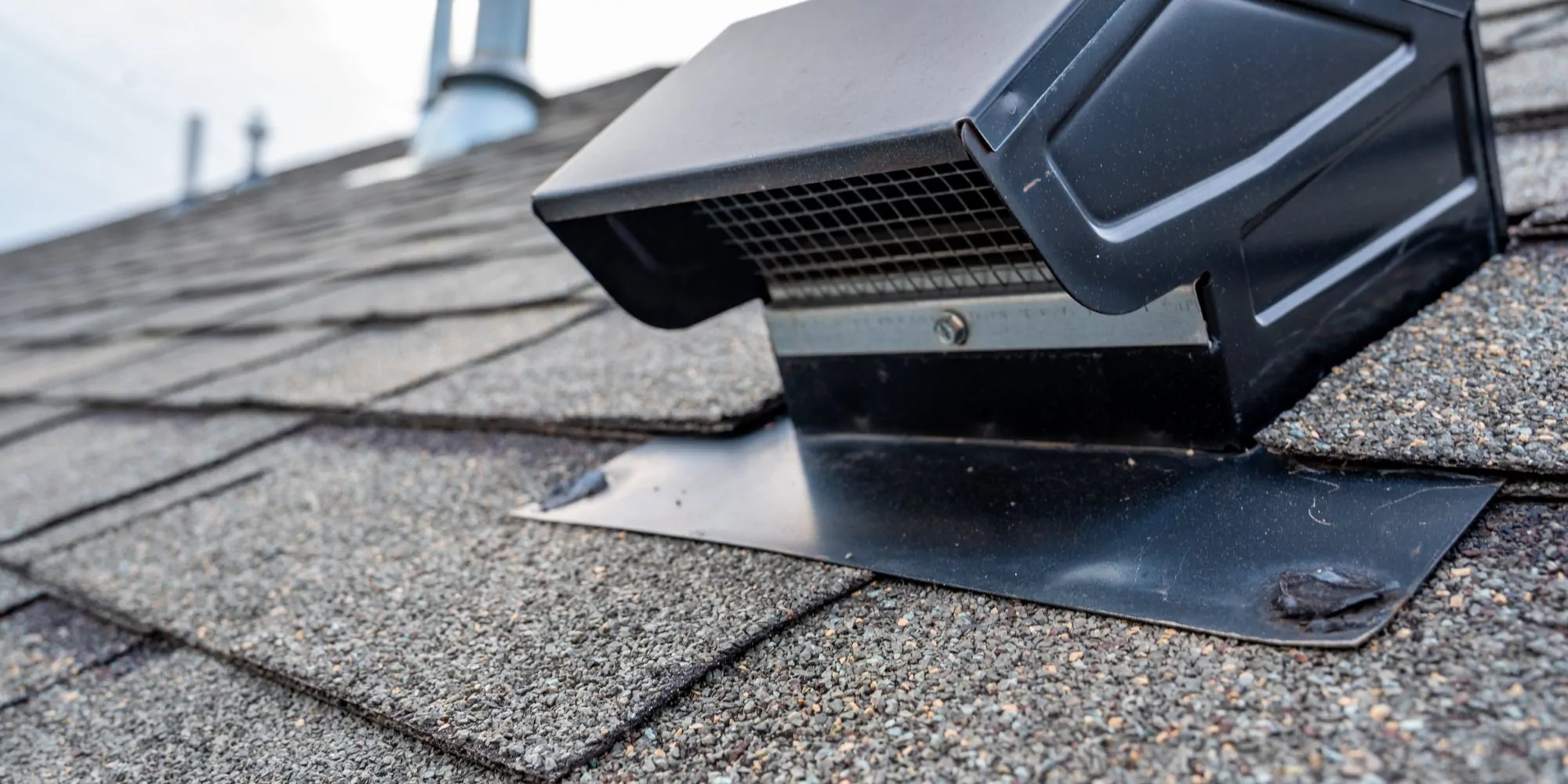
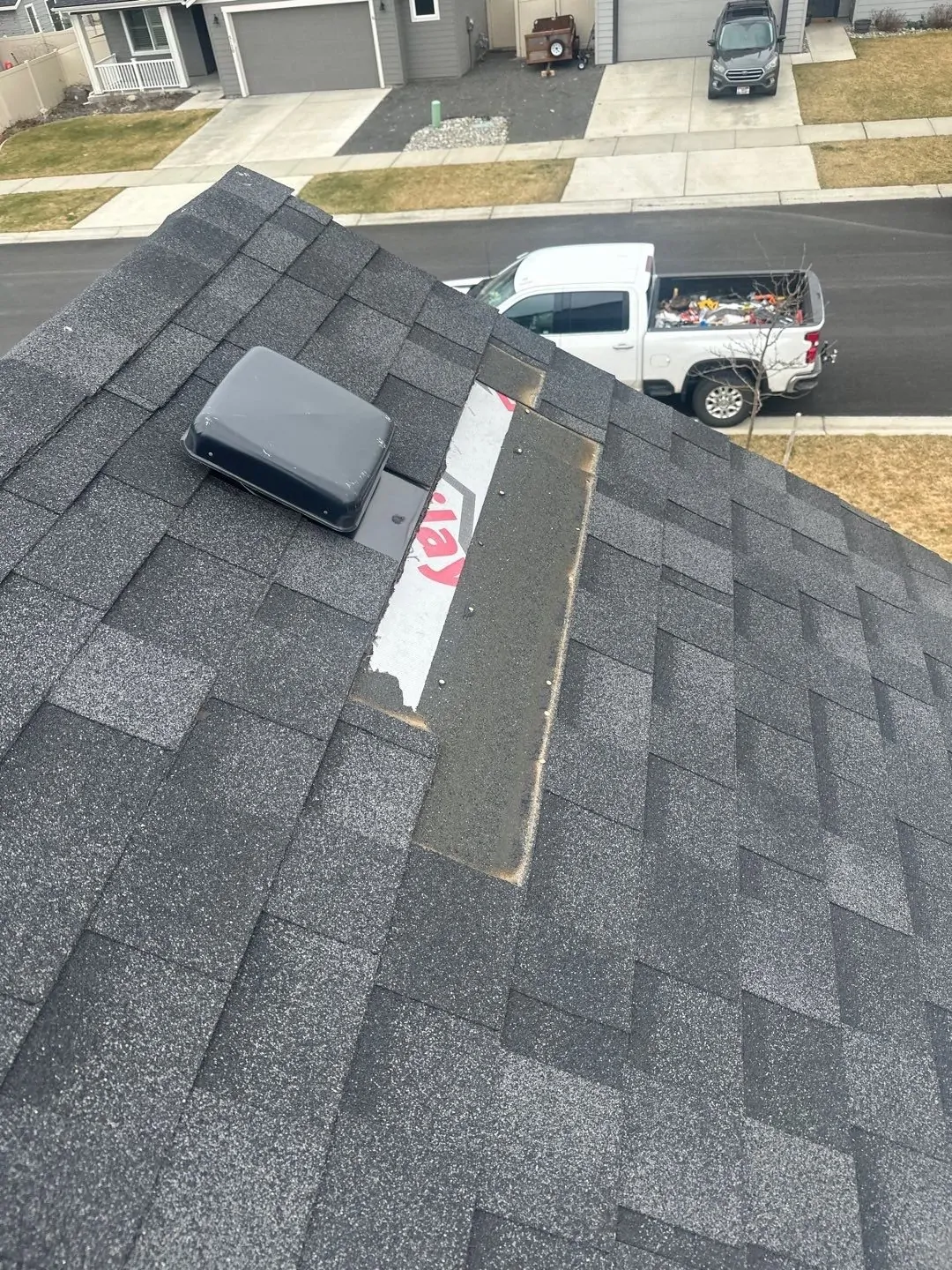
Roof vents and pipe boots. Cracked boots are one of the most common leak sources on any roof. Replaced and sealed.
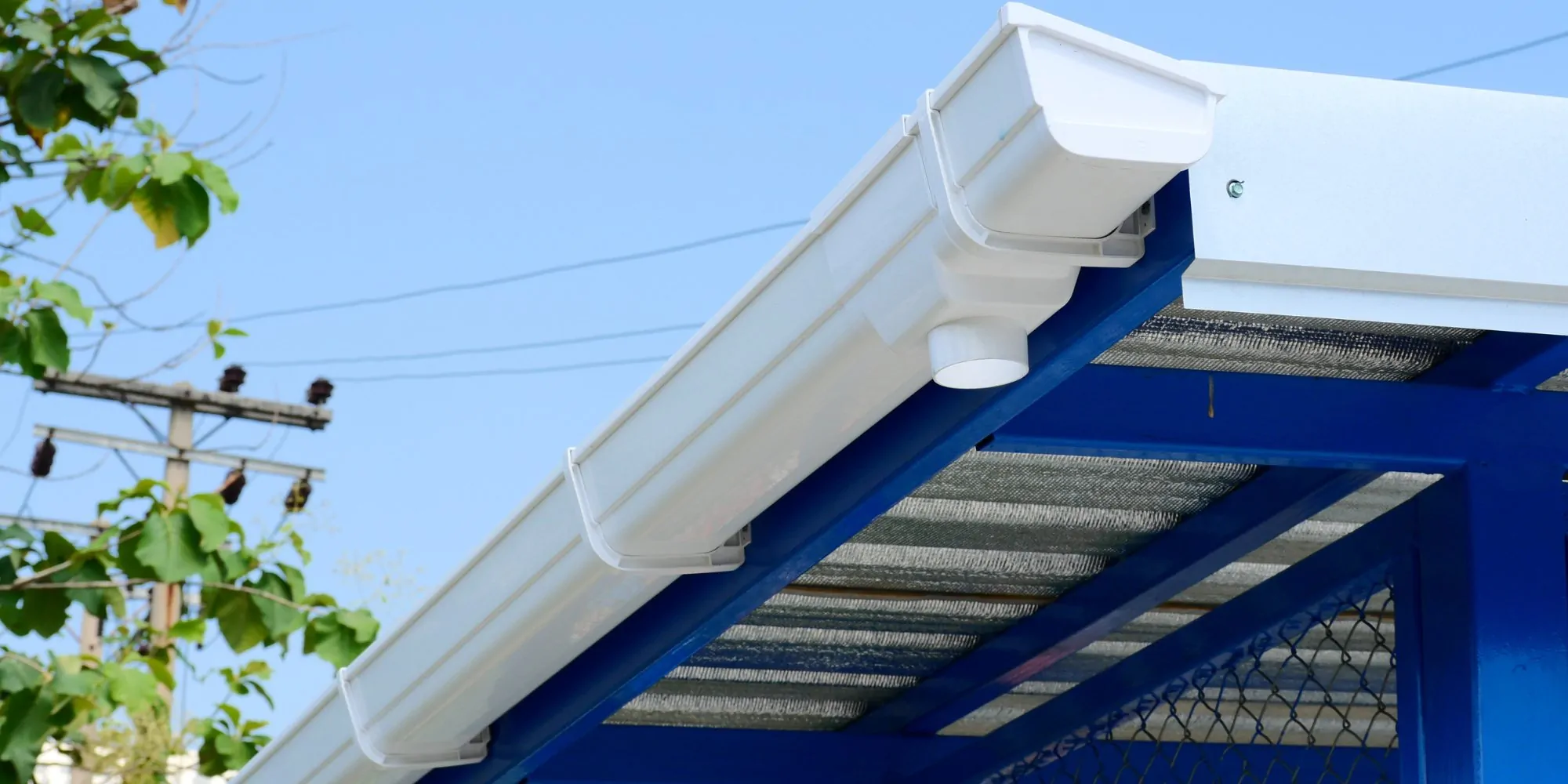
Gutters and fascia. When gutters fail, water backs up under the shingles. We repair both so water keeps moving off the roof.
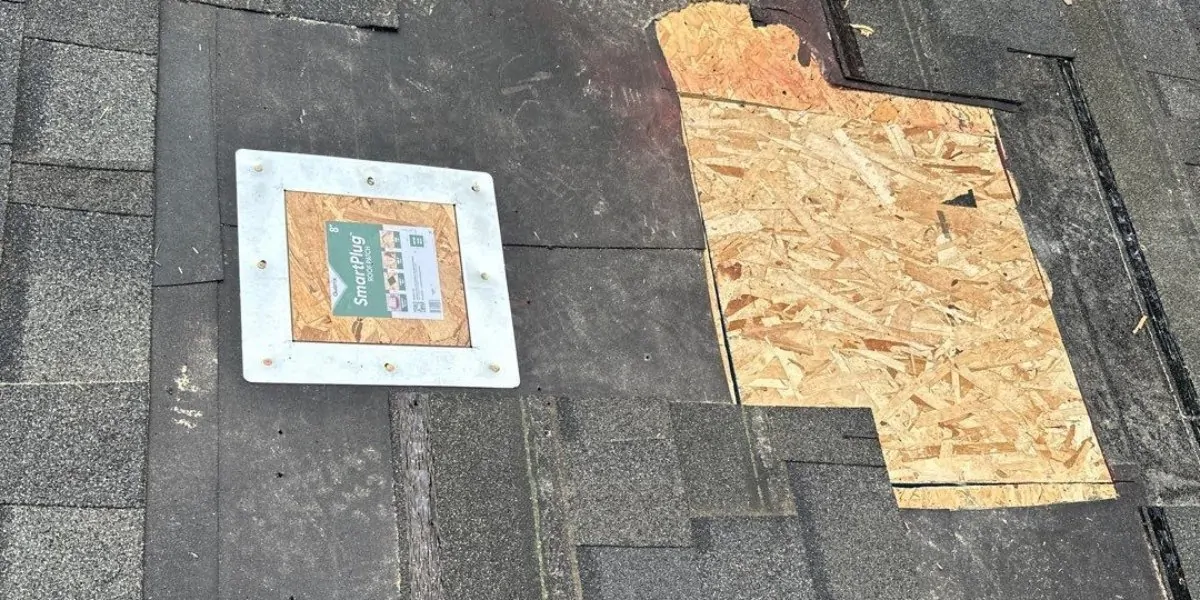
Decking. Water-damaged decking is replaced before any new shingles go on.
Can your roof be repaired instead of replaced?
Most homeowners calling about a leak brace for a replacement pitch. Most of them don’t need one. Here’s how we decide.
Repair.
The right call when the damage is in one place and the rest of the roof is sound.
A roof under about 20 years old with a single leak, some lifted shingles, or failed flashing is almost always a repair.
Restore.
The right call when the shingles are losing granules across the whole roof but the deck and structure are fine.
A roof restoration fixes all the small repairs needed, replaces damaged shingles, and rejuvenates shingle flexibility to improve lifespan.
Replace.
The right call when there are multiple leak sources, the decking is failing in more than one spot, or the shingles are at the end of their life.
We do our best to extend the life of your existing roof, but when it’s time for a replacement, we’ll show you why so you can make an informed decision.
Repairing a roof that should be restored, or replacing one that could be repaired, costs you money either way. That’s why the assessment comes first.
before any work starts.
What roof repairs cost in Spokane and North Idaho
Most repairs cost a fraction of what homeowners brace for. The ranges shown here cover the jobs we see most, and every one of them comes with a written price before work starts and a 90-day labor warranty once we’re done.
Storm, wind, and hail damage repair
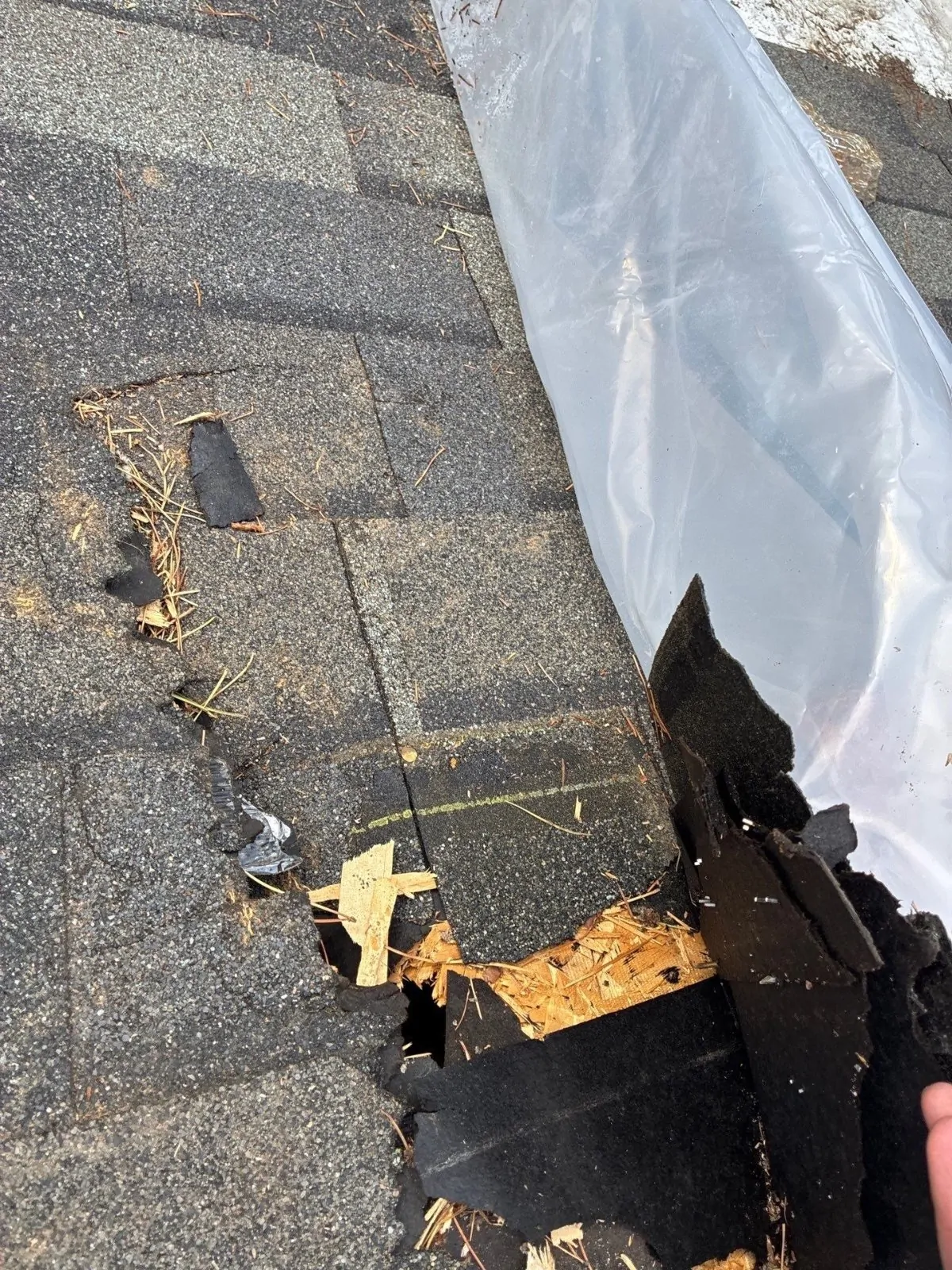
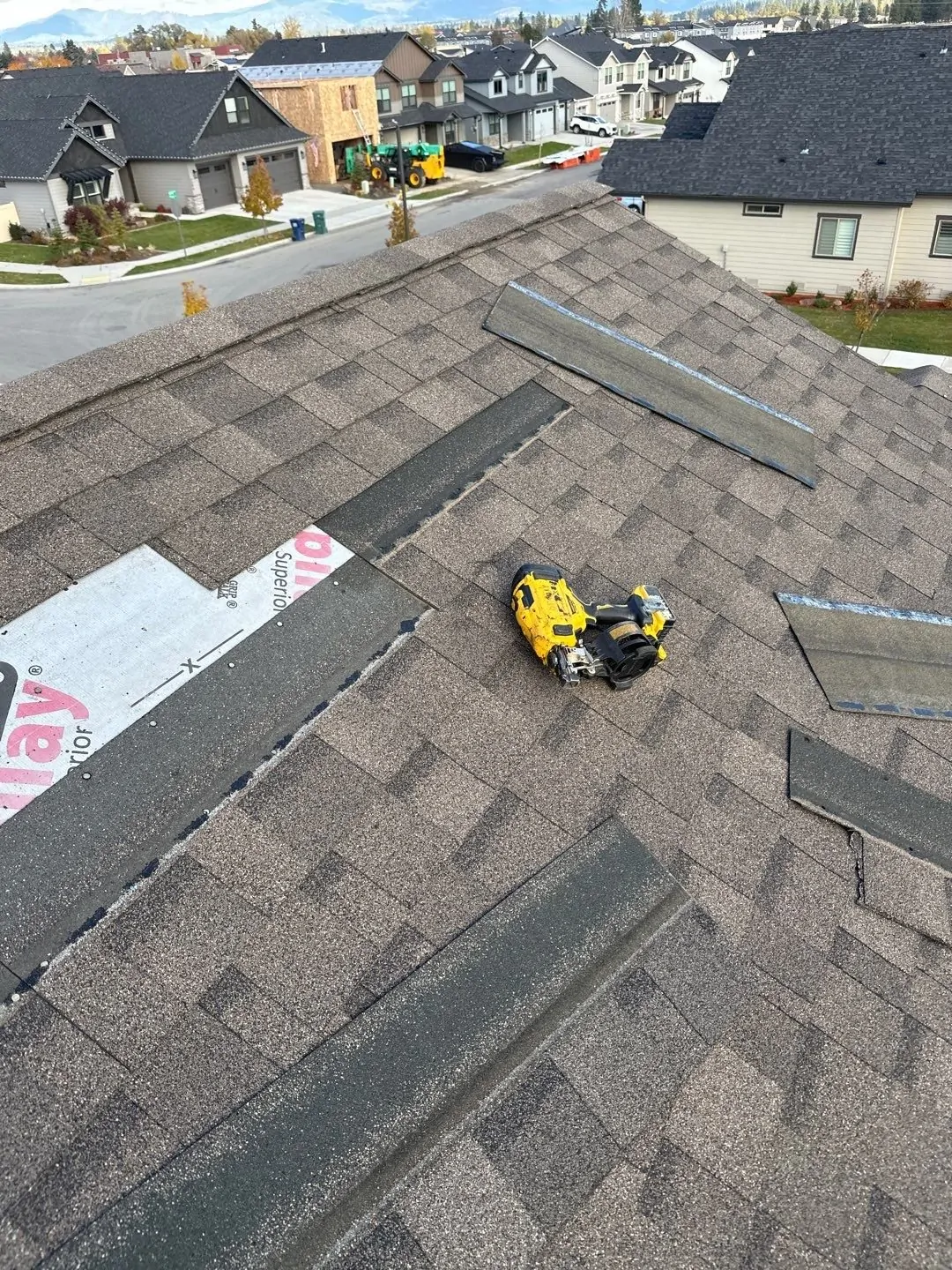
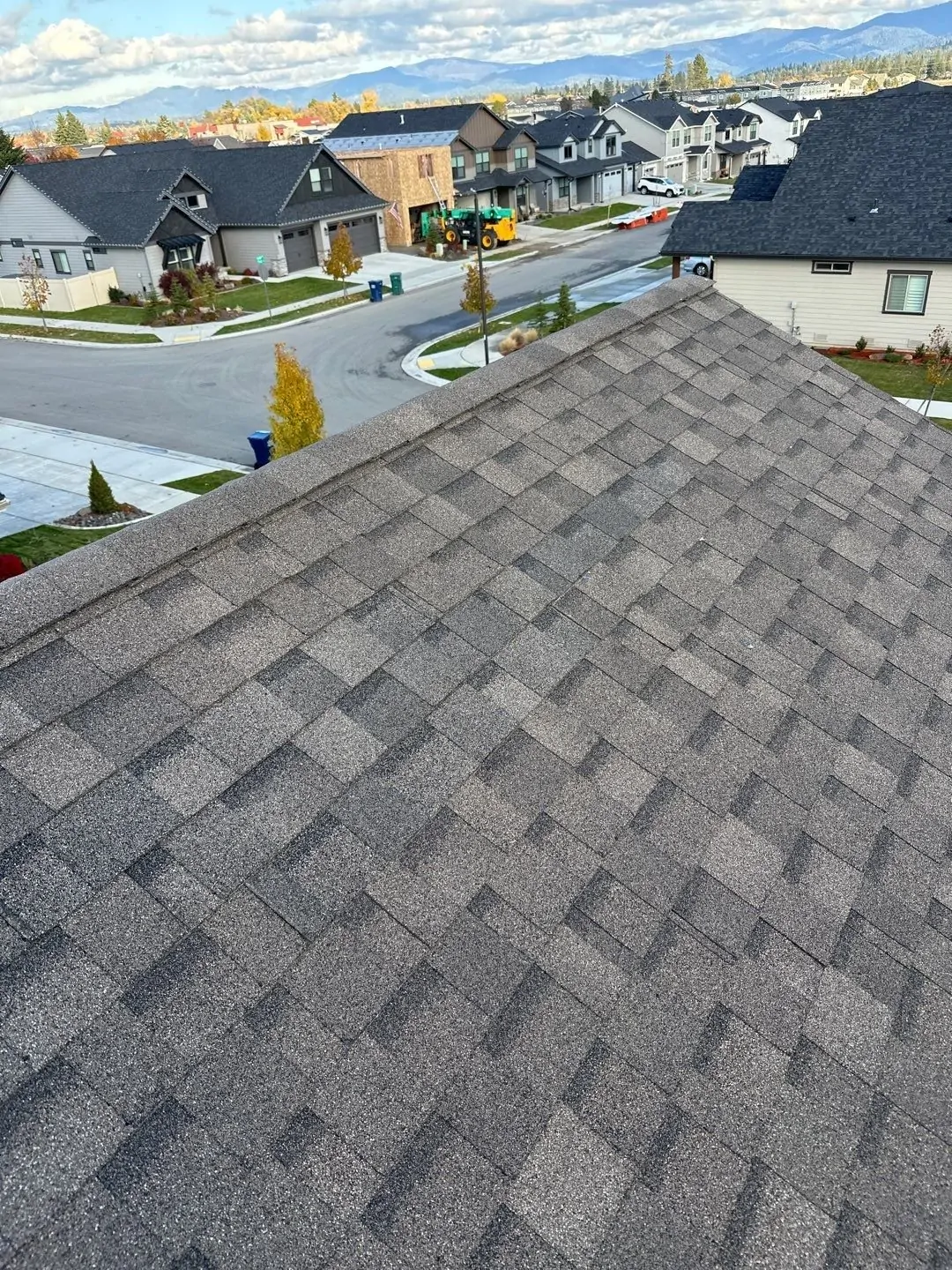
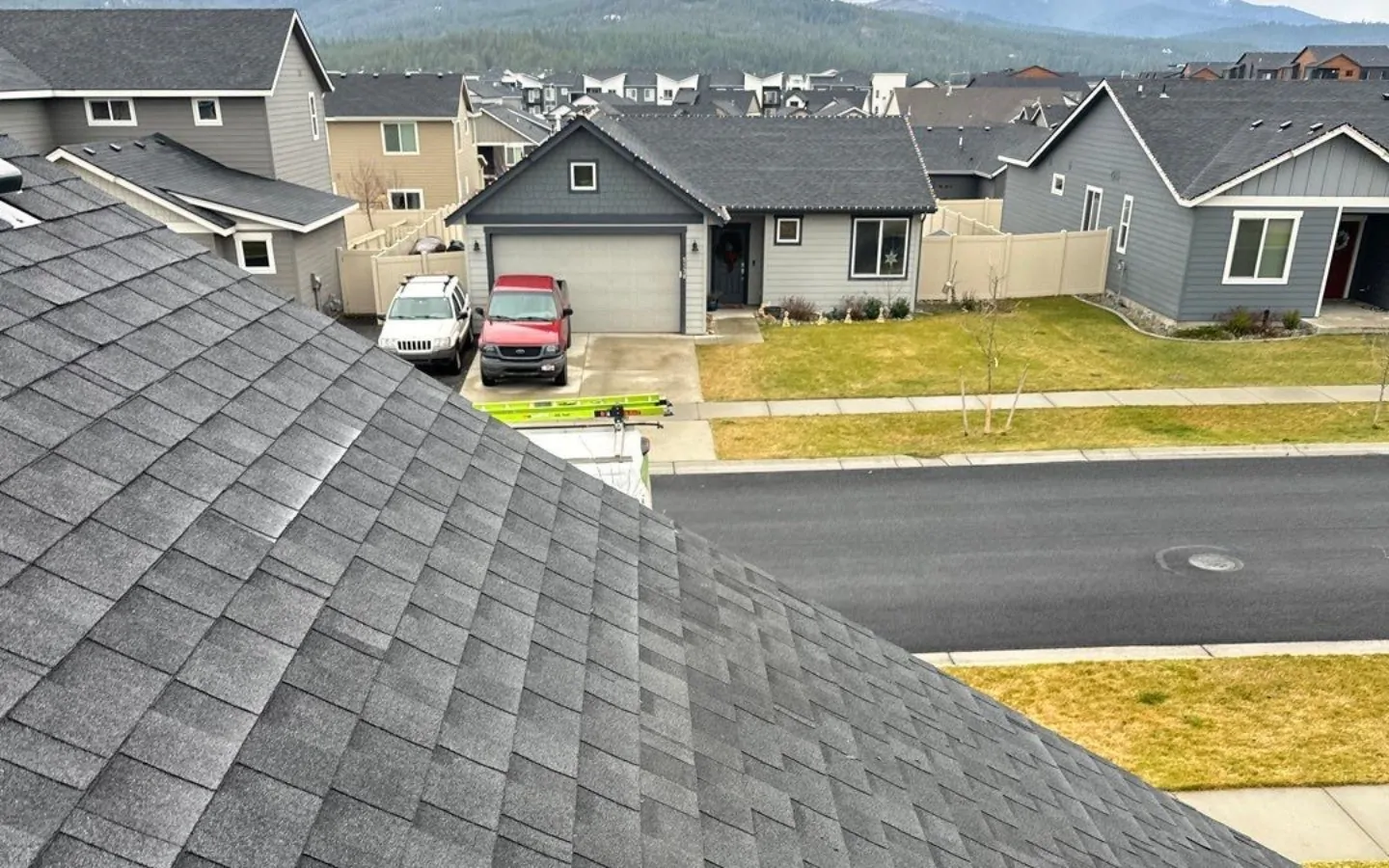
After a major storm, the first instinct for many concerned homeowners is to jump up on their roof. Before you do, canvass your property first to look for obvious signs of damage.
Shingles on the lawn, granules piling up at the downspouts, dented vents, or a bent gutter all mean the roof took a hit. Hail damage is harder to spot from the ground, and often the first sign is a leak weeks later.
Do not get on a wet roof, and be sure to follow appropriate safety procedures before climbing up on the roof.
If you’re concerned that your roof may be damaged, get the roof looked at soon after the storm; secondary water damage grows fast, and most insurance policies have a window for reporting a claim.
Does homeowners insurance cover storm damage to a roof?
Usually, yes. Sudden damage from wind, hail, and falling trees is what your policy exists for. Wear and tear, and problems from deferred maintenance, usually aren’t covered.
What does Remedy provide for an insurance claim?
Photos of every damaged area, a written assessment of the cause and extent, and a repair estimate you can hand to your adjuster.
What happens when you call
Assessment
We inspect the roof, find the source of the problem, and document how far the damage goes. You get the findings in writing, with photos, and a plain explanation of what’s wrong.
Written price
Before any work starts, you’ll have a fixed price that covers the whole repair. If we find something unexpected once we’re in, work stops and you decide what happens next.
The repair
Most repairs are finished the day we start. When a job runs longer, or weather moves in, we install temporary protection so no water gets in overnight. Materials match your existing roof for color and profile.
Your record
You’ll get before-and-after photos, the material specs, and your warranty certificate. Keep it with your house documents; it matters when you sell.
Every repair is backed by the Remedy Workmanship Warranty. Learn more →
Frequently asked questions about roof repairs
How do I know if my roof needs repair?
Water stains on a ceiling or wall, missing or cracked shingles, granules collecting in the gutters, sagging or soft spots, daylight showing through the attic boards, or any leak during rain or melt. If you’ve had a windstorm or hail recently and haven’t looked, that’s reason enough.
Can I wait, or is this urgent?
An active leak can’t wait. Water damage, mold, and rot all start within days. Missing shingles should be replaced within a week or two. A few cracked shingles with no leak can wait for the next dry stretch, but get them on the schedule.
How long will a repair last?
A repair done with matched materials and correct flashing detail lasts until the surrounding roof needs attention, which is often 10 to 15 years. The Remedy Workmanship Warranty covers the installation for 90 days.
Will the repair match my existing shingles?
Yes. Part of the assessment is confirming that matching shingles are available for your roof. Where an exact match no longer exists, you’ll see the closest option before we order anything.
Do you repair metal roofs?
Yes. Fastener replacement, panel seam resealing, and flashing repairs on standing seam and exposed-fastener metal roofs.
Do you repair flat and commercial roofs?
Yes. Membrane patching, seam repair, and drainage fixes on flat and low-slope commercial roofs. See Commercial Roofing for the full list.
How soon can you come out?
Repair assessments are usually scheduled within a couple of days. If you have an active leak, say so when you call and we’ll get you in as early as the schedule allows.
What if the damage turns out to be worse than expected?
Work stops, we show you what we found, and you get a revised written price before anything continues. You’re never committed to work you haven’t approved.
Get a no-nonsense, no-pressure quote for your roofing project
As an owner-operated business, you can count on us to stand behind our commitments and provide an experience you'll be proud to recommend to your community. After all, we live here too!
Our service area
We work where we live
Remedy Roofworks is a small, owner-operated crew. Nick does the inspections himself, and there is a good chance he has already been up on a roof on your street. We stay inside a comfortable drive of home on purpose, so we can come back when you call.
Post Falls, Dalton Gardens, Hauser, Twin Lakes, Athol, Liberty Lake, Otis Orchards, and the county roads in between.