
Summary
The Inland Northwest’s freeze-thaw cycles, heavy snow loads, summer UV, and wooded lots create a predictable set of roof repair needs. The most common issues include damaged shingles, cracked flashing, ice dam damage, failing pipe boots, gutter and fascia wear, and moss growth on shaded properties. Most of these are inexpensive to fix when caught early and costly when left for a full season. A professional inspection with a written summary is the fastest way to know where you stand.
| Time to Read | ~6 minutes |
| What You’ll Learn |
|
| Next Steps |
|
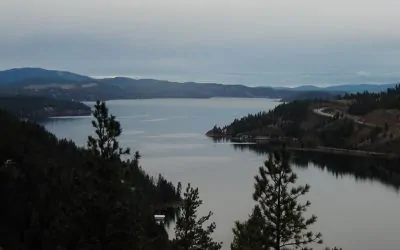
The Inland Northwest is tough on roofs. You’re dealing with heavy snow in winter, intense UV exposure in summer, wind in spring, and freeze-thaw cycles that can run dozens of times in a single season. Add the moisture from wooded lots and, in some areas, proximity to Coeur d’Alene Lake, and you’ve got a climate that accelerates wear in ways that catch homeowners off guard.
The biggest problems arise because most homeowners don’t think much about their roof until water shows up somewhere it shouldn’t. By that point, what could’ve been a straightforward repair has usually gotten more complicated. The good news is that most of the damage roofing contractors see across Spokane and Northern Idaho follows predictable patterns. Knowing what to look for and when to act makes a real difference in what you’ll spend.
Damaged or Missing Shingles
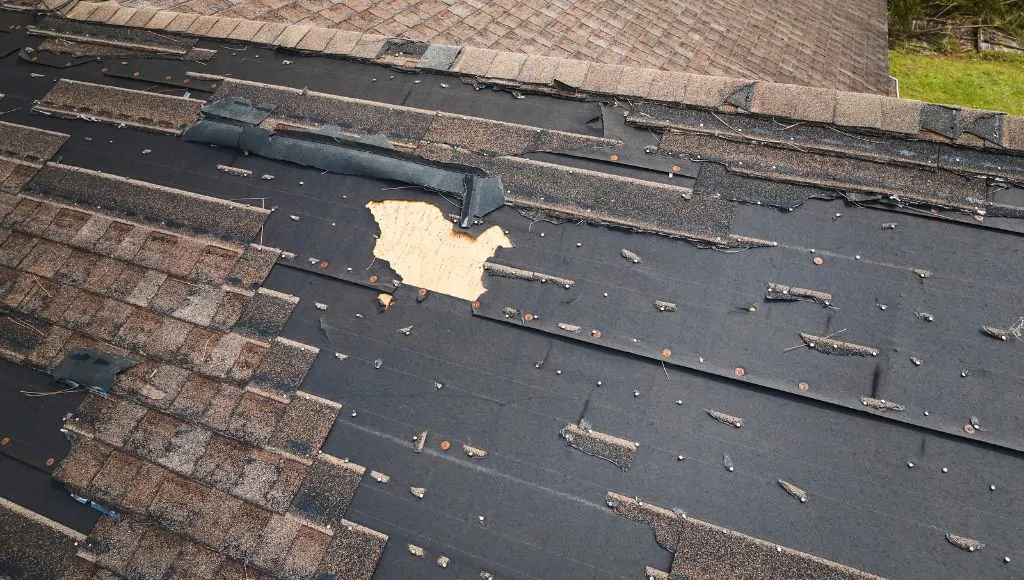
Damaged or missing shingles are the most visible and most common roof repair we see across the region. What often happens is that the wind lifts and cracks shingle tabs, UV exposure makes shingles brittle over time, and ice impact during storms finishes off anything already weakened. What looks like purely cosmetic damage usually isn’t. And that mistake can end up costing you in the long run.
What to look for
- Curling or cupped edges on shingle tabs
- Cracked or broken shingle faces
- Granules collecting in gutters or at downspout outlets
- Bare or dark patches visible from the ground
Replacing a few shingles as soon as they begin to lift, curl, or become brittle is a minor job. Let it go a full season, though, and you’re looking at exposed decking, moisture intrusion, and a problem that’s grown past the repair stage.
Cracked or Separated Flashing
Something that homeowners don’t know is that flashing around chimneys, vents, skylights, and roof-to-wall transitions is where most leaks actually start. Metal flashing expands and contracts with every temperature swing, and in a region with the thermal range we see here, that cycling adds up fast. Sealants crack, seams pull apart, and water finds the gap.
What to look for
- Rust streaking on the roof surface or siding below a transition
- Lifted or buckled metal edges at chimneys or dormers
- Water stains on interior ceilings that line up with a roof penetration below
- Visible gaps where flashing meets masonry or siding
Flashing repairs tend to get missed because they’re not as obvious as shingle damage from the ground. They’re also one of the top sources of interior water damage, so catching them early matters.
Ice Dam Damage Along Eaves and Valleys
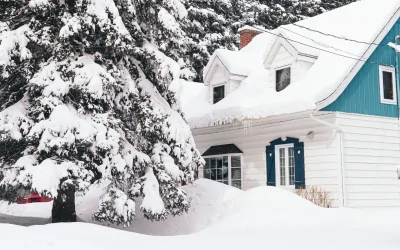
North Idaho homeowners know this one. Heat escaping through the roof deck melts snow, the melted snow water runs down toward the eave, and then refreezes wherever the roof is cold enough. The ice dam that forms forces water back under shingles, into the decking, and eventually into the structure.
What to look for
- Lifted or buckled shingles along the eave after a hard winter
- Water stains low on interior walls or at ceiling edges
- Soft or spongy decking near the eave when you’re in the attic
- Recurring ice buildup in the same location, winter after winter
Valleys concentrate water, making them especially vulnerable. Proper attic insulation and ventilation reduce your ice dam risk, but some winters are harder than others, and the damage shows up in spring.
Gutter and Fascia Damage from Snow and Ice Loads
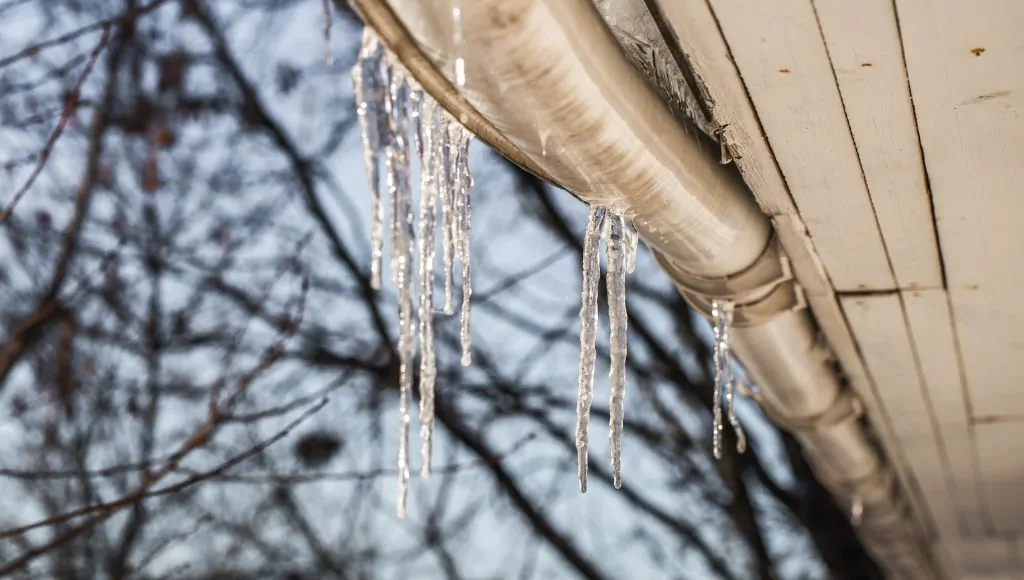
Heavy snow loads pull gutters away from the fascia board, and those ice dams we mentioned earlier compound the problem. Once gutters are detached or sagging, they stop doing their job, and water gets directed toward the soffit and foundation instead of away from the house.
What to look for
- Gutters sagging or pulling away from the roofline
- Visible daylight between gutter and fascia
- Peeling paint or soft, punky wood along the fascia board
- Water pooling near the foundation after rain
This one often gets filed under cosmetic issues. It’s not. Fascia rot and foundation drainage problems both trace back to gutters that aren’t managing water the way they’re supposed to.
Moss, Algae, and Debris on Wooded Properties
This is especially common in shaded lots, such as properties near Coeur d’Alene Lake, forested areas north of Rathdrum, and tree-heavy Spokane neighborhoods. You may think that moss on your asphalt shingles is only a matter of appearance, that it just looks bad. But it’s much more than that. Moss holds moisture against the shingle surface and sends root structures under tabs, accelerating granule loss and weakening the bond. Debris dams up valleys and gutters, preventing drainage from working.
What to look for
- Green or black streaking on the shingle surface
- Raised shingle edges where moss growth is lifting tabs
- Debris buildup in valleys that isn’t clearing between rain events
Soft wash cleaning removes growth without damaging shingles. Left alone, the moss accelerates wear, and the shingles degrade faster than they should. This isn’t a pressure wash job. Pressure washing can damage shingles on its own and strip them of their protective granules.
Pipe Boot and Vent Seal Failures
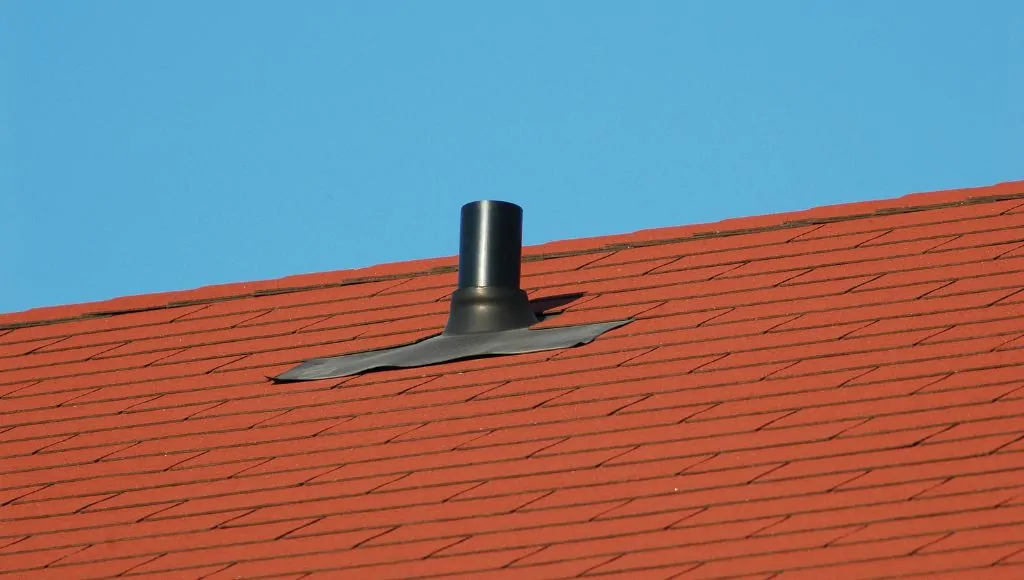
The rubber boots that seal plumbing vents through the roof deck are a surprisingly common source of slow leaks. They’re out in full sun year-round, and Inland Northwest summers are intense. UV degrades rubber and causes boots to crack, shrink, and lose their seal without any dramatic weather event to blame it on.
What to look for
- Visible cracking or shrinkage around vent penetrations (often visible from the ground with binoculars)
- Brown ceiling stains that don’t line up with any obvious roof feature above them
- Musty smell in upper-floor rooms without a clear source
It’s a straightforward repair when caught early. Once water has tracked into the decking and insulation below, the scope grows considerably.
What Happens When You Skip Small Repairs
Every one of the repairs above follows the same pattern: manageable when addressed, but expensive when ignored. Here’s what you need to know about letting those small issues turn into big problems.
| Repair Type | If Addressed Promptly | If Left a Full Season |
| Missing Shingles | $400-$800 patch repair | Decking rot, potential interior damage, $2,000+ |
| Cracked Flashing | $300-$600 reseal or replace | Chronic leak, sheathing damage, mold risk |
| Ice Dam Damage | $500-$900 eave repair | Structural framing involved, $3,000-$5,000+ |
| Pipe Boot Failure | $200-$400 boot replacement | Decking and insulation replacement, $1,500+ |
| Moss Damage | $300-$600 soft wash cleaning | Accelerated shingle wear, premature replacement |
| Fascia Rot | $400-$700 board replacement | Soffit involvement, structural concerns, $2,000+ |
These aren’t worst-case numbers. They’re what Remedy sees regularly when a homeowner puts off a call for one more season.
Repair, Restore, or Replace?
Not every roof problem calls for the same response, and a contractor who leads with replacement isn’t doing you any favors.
- Repair is right when damage is isolated and the roof overall still has life in it.
- Restoration with Roof Maxx is a good investment when your asphalt shingles are aging but not failing. A treatment extends life by five years, and repeat treatments can add up to 15 years total. That’s a very different math problem from a $20,000-$38,000 replacement.
- Replacement is the right call when the roof is at or past end of life, or when damage is widespread enough that repairs won’t hold.
Remedy’s free estimates include a written summary so you know exactly what you’re working with before any decision gets made. That’s not a sales call. It’s an honest look at what’s there.
How the Remedy Roofworks Team Approaches Repairs
Our tagline is “Restore. Repair. Replace. In that order.” That’s not marketing language. It’s how we treat every inspection we do. Remedy looks at what your roof actually needs, not what would generate the largest bill. The inspection comes with a written summary, so homeowners have something in hand, not just a verbal opinion from someone with a vested interest in the answer.
If there’s a repair that’ll hold, that’s what gets recommended. If restoration makes more sense than a replacement that’s still five years away, that’s what you’ll hear. And when replacement is genuinely the right answer, Remedy will tell you that too.
If your roof is showing any of the signs above, a quick inspection is the cheapest thing you can do. Call (208) 551-5703 or schedule your inspection online.