

Summary
Coeur d’Alene Lake creates a microclimate that most homeowners don’t account for when thinking about roof maintenance. Persistent humidity, slow-drying morning fog, and more frequent freeze-thaw cycles near the shoreline all accelerate shingle aging, biological growth, and attic moisture problems. Lakeside roofs in neighborhoods like Sanders Beach, Silver Beach, and Rockford Bay tend to show wear earlier than comparable homes further inland, and benefit from more frequent inspections and proactive maintenance.
| Time to Read | 6 minutes |
| What You’ll Learn |
|
| Next Steps |
|
Living near Coeur d’Alene Lake is one of Northern Idaho’s better problems to have. The views are worth it, the summers are hard to beat, and the lake itself makes the whole region feel different from anywhere else in the Inland Northwest. But that same body of water creates a microclimate that puts roofs under a kind of sustained, low-level stress that most homeowners never think to account for.
It’s not dramatic, and there’s no single storm that does the damage. It’s the cumulative effect of persistent humidity, morning fog that lingers longer than it does inland, and moisture levels that stay elevated year-round.
A roof that might perform well for 25 years in Rathdrum or Hayden can start showing real wear closer to the 18- or 20-year mark for a lakeside home in Coeur d’Alene. That gap isn’t inevitable, but it does require a different level of attention, like professional softwash cleaning to remove the biological growth that lake-effect moisture encourages.
A Microclimate Most Homeowners Don’t Think About

Coeur d’Alene Lake covers around 25 square miles and sits at an elevation of about 2,100 feet. That much open water affects how the area looks and how moisture behaves at the surface level, including on rooftops.
A microclimate is a localized weather pattern that differs from the surrounding region, and Coeur d’Alene Lake creates its own microclimate. The lake continuously releases moisture into the air above it, which raises ambient humidity levels across nearby neighborhoods. That humidity produces morning fog that settles over lakeside properties and burns off more slowly than it does in other areas inland, where there’s no large body of water nearby to keep feeding it.
North- and west-facing roof slopes tend to dry out more slowly after these fog events, meaning they spend more hours in a damp state than the same slopes on comparable homes a few miles inland. Over years, that adds up.
Freeze-Thaw Patterns Near the Lake
Coeur d’Alene Lake doesn’t freeze in winter, and that affects the temperature of everything around it. Homes close to the shoreline stay a little warmer than homes further inland. And while, yes, that sounds like a perk, the tradeoff is that lakeside homes see more days where temps hover right around freezing rather than dropping and staying down. That back-and-forth is harder on a roof than a cold spell that just holds.
In areas like Rathdrum or north Hayden, winter temps often drop and stay low for extended periods. Closer to Coeur d’Alene Lake, however, temperatures fluctuate more around the freezing point, resulting in more frequent freeze-thaw cycles throughout the winter. Each of those cycles pushes water into any opening in your roof that it can find, causing these cracks or seams to expand and contract with each cycle, gradually widening them. Over several winters, this repeated movement accelerates wear in ways that aren’t obvious until the damage is done.
| Location | Winter Temperature Pattern | Freeze-Thaw Risk |
| Lakeside Coeur d’Alene (Sanders Beach, Silver Beach, Downtown) | Moderated by the lake, it oscillates near freezing more frequently | Higher, more cycles through the season |
| Inland Coeur d’Alene/Hayden | Colder and more stable; temps drop and hold | Moderate; fewer transitions through the freeze point |
| Rathdrum/Prairie areas | More exposed, colder winters with less moderation | Lower freeze-thaw frequency, higher wind, and UV exposure |
The Attic Problem Nobody Sees Coming
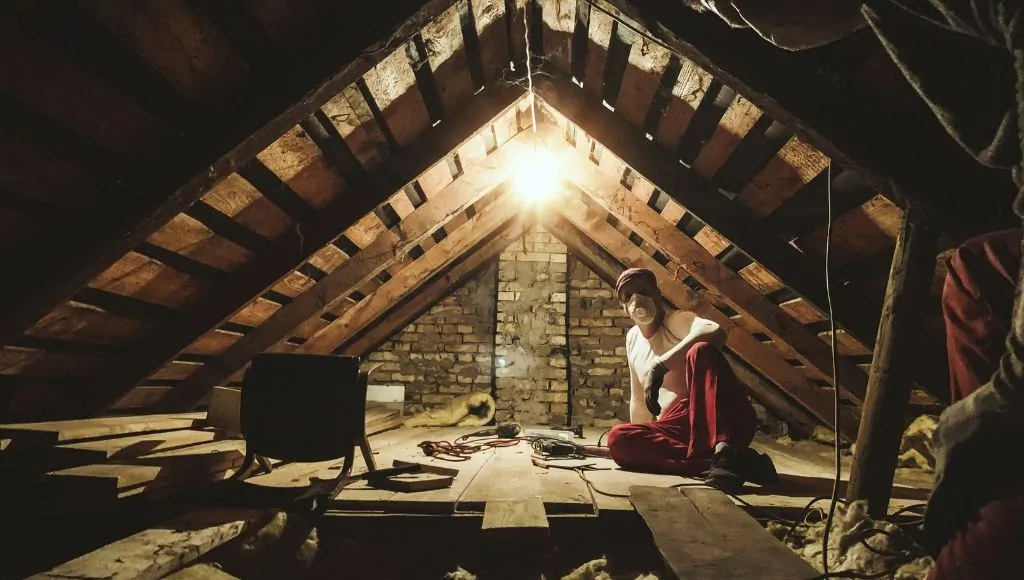
Elevated exterior humidity doesn’t stay outside. In homes near the lake, ambient moisture can seep into attic spaces, particularly in those with inadequate intake or exhaust ventilation. Once inside, it condenses on the underside of the roof sheathing, especially during cold nights when the sheathing temperature drops below the dew point.
Over time, that condensation causes the sheathing to absorb moisture, leading to softening, mold-like growth, and, in serious cases, structural rot that must be addressed before any new roofing can be installed. It’s one of the more expensive surprises a homeowner can encounter during a roof replacement, and it’s almost always preventable.
The tricky part is that attic condensation is frequently mistaken for a roof leak. If you’re seeing moisture staining on the underside of your sheathing or on ceiling joists, it’s worth having someone establish whether it’s coming from outside or forming from within before any repair work begins.
Which Coeur d’Alene Neighborhoods Are Most Affected by Lake-Effect Moisture?
Proximity to the lake is the biggest factor that’s affecting your roof, but it’s not the only one. North- and west-facing roof slopes, a heavy tree canopy that keeps surfaces shaded and damp, and older homes with less effective attic ventilation all amplify the effect of lake moisture, regardless of distance from the water. That said, some areas see it more consistently than others.
| Neighborhood/Area | Why It’s a Higher Risk |
| Sanders Beach | Directly on the north shoreline, among the highest sustained moisture exposure in the city |
| Silver Beach | North shoreline; mature pine canopy compounds shade and debris accumulation on roof surfaces |
| Downtown/Waterfront | Lake-facing exposures on condos and historic homes; limited roof pitch variety |
| Rockford Bay | West shore; larger lots but direct lake exposure and limited wind clearing |
| Mica Bay | South shore; calm water conditions increase local humidity; popular boating area |
| Arrow Point | Secluded setting with heavy canopy; moisture held by tree cover compounds lake humidity |
What Lakeside Homeowners Can Do About Lake-Effect Moisture
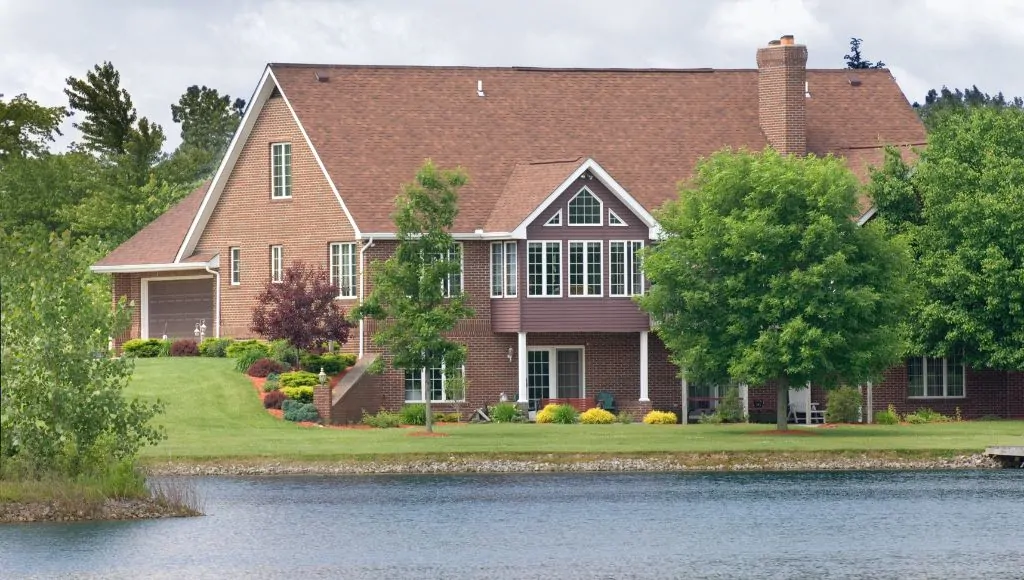
None of what you’ve read today means that a roof near Coeur d’Alene Lake is a losing proposition. It means it benefits from a slightly different maintenance approach than a comparable roof a few miles inland.
Inspect More Frequently
Homeowners with lakeside homes should plan on having their roofs inspected twice a year rather than the standard annual check, and after any major weather event. The goal is to catch biological growth, granule accumulation in gutters, and flashing issues before they compound through another season of elevated moisture exposure. Remedy Roofworks offers professional roof inspections and free estimates with a written summary, with no obligation to sign with us.
Prioritize SoftWash Roof Cleaning
Moss and algae need to be addressed as soon as they appear, but pressure washing asphalt shingles strips granules and can void manufacturer warranties. Softwash roof cleaning removes biological growth safely without damaging the shingle surface, and it’s the appropriate treatment for the kind of persistent organic growth that lakeside properties deal with regularly.
Address Ventilation Before It Becomes a Structural Problem
Proper attic ventilation is the most effective defense against moisture-driven sheathing damage. Balanced intake and exhaust keep humid air moving rather than settling and condensing. If your attic feels significantly warmer or more humid than it should, or if you’ve seen staining on the sheathing that you can’t explain, it’s worth having your ventilation assessed as part of any roof inspection.
Ask About Roof Maxx
Roof Maxx is an all-natural, oil-based rejuvenation treatment that restores flexibility to aging asphalt shingles by replenishing the oils lost through weathering and moisture exposure. For lakeside homes where shingle aging accelerates faster than it would inland, a Roof Maxx treatment can extend roof life by up to 5 years per application and up to 15 years with repeat treatments. At a fraction of the cost of full replacement, it’s a practical option for homeowners who want to get more useful life from a roof that’s aging faster than expected.
The Lake Gives a Lot, But It Also Takes a Little Extra Off Your Roof
Lakeside living in Coeur d’Alene is genuinely worth it, and the roofing challenges that come with it are manageable with the right approach. More frequent inspections, appropriate cleaning methods, solid attic ventilation, and timely restoration treatments are usually enough to close the lifespan gap between a lakeside roof and one installed a few miles inland in a drier microclimate.
Homeowners who run into trouble are usually the ones who apply inland maintenance habits to a lakeside property and then wonder why the roof aged faster than they expected. Catching the difference early is almost always the cheaper path.
If you’re not sure where your roof stands, contact us today for a free estimate and a straight answer.