

Summary
Staying ahead of roof problems doesn’t require getting on the roof. It mostly requires knowing what to look for and when to look. Annual inspections, a few consistent maintenance habits, and recognizing the warning signs that warrant a professional call are usually enough to keep a roof performing well past the point where a less attentive homeowner might be looking at a full replacement. Download the free Roof Maintenance checklist to keep on file for your next walkthrough.
| Time to Read | ~5 minutes |
| What You’ll Learn |
|
| Next Steps |
|
A missing shingle, a cracked pipe boot, a valley packed with pine needles; on their own, none of these feels urgent. But left alone through one Northern Idaho winter, any of them can turn into a ceiling stain, rotted decking, or a repair bill that’s a lot harder to absorb than it would have been six months earlier. Most roof problems don’t arrive all at once. They build quietly, in the places homeowners aren’t looking.
The good news is that staying ahead of most problems doesn’t need you to get on the roof. It mostly just requires knowing what to look for and when.
Free Roof Maintenance Checklist (PDF)
Annual inspection items, after-storm checklists, preventive habits, and a maintenance log, all in one printable guide.
Download YourFree Guide
When Should You Check Your Roof?
Once a year is the baseline, and spring or fall tends to work best. Spring lets you assess anything that happened over winter, while fall gives you a chance to deal with it before the next round of snow, ice, and freeze-thaw cycles.
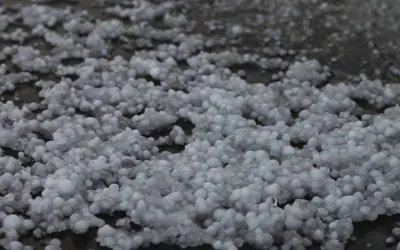
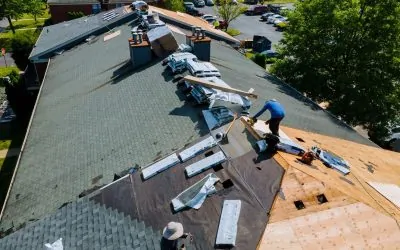
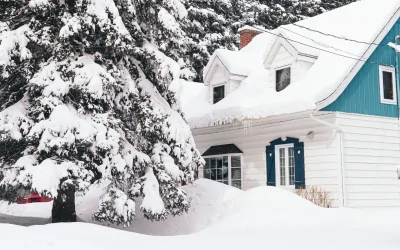
Beyond the annual check, two situations call for a closer look. The first is after severe weather, including wind, hail, heavy snow loads, or ice dam conditions, as these can all cause damage that isn’t obvious from inside the house. The second is after any work has been done on or near the roof, like installing satellite dishes, solar panels, HVAC equipment, skylights, or chimney work. Penetrations and flashing details are the most common place for problems to start, and they’re easy to overlook once a crew has packed up and left.
| ⚠️ Safety FirstDon’t climb on your roof if you’re not trained, properly equipped, and comfortable doing so. Most of what matters can be checked safely from the ground, from inside the attic, or with help from a professional. |
DIY Damage Checks
Most homeowners head outside first, but the attic and interior living spaces often tell you more. If there’s an active problem, you’re likely to see evidence of it indoors before it’s visible from the ground. That said, a ground-level walk around the perimeter covers most of what you need to see from the outside.
Here’s where to look and what to look for if you plan to do a DIY walkthrough before calling the professionals:
| Where to Look | What to Look For | What You’ll Find |
| Interior | Moisture |
|
| Ventilation |
|
|
| Exterior | Roof Surface |
|
| Details & Drainage |
|
Four Habits That Help Roofs Last Longer
Most of what extends a roof’s life comes down to a handful of consistent habits rather than any single intervention.
- Keep water moving. Debris in gutters, valleys, and roof transitions backs up water in ways that accelerate wear. In forested areas, especially, clearing pine needles and leaves a couple of times a year makes a real difference.
- Minimize roof traffic. Walking on shingles scuffs granules and can crack brittle or heat-softened shingles. Limit access to trained people, and push back if contractors want to use your roof as a staging area.
- Treat moss carefully. Moss holds moisture against the shingle surface and can lift edges over time. Pressure washing is not the answer because it strips granules and can void manufacturer warranties. Soft wash treatments are a much safer approach.
- Trim problem branches. Overhanging branches scrape shingles, drop debris loads, and give pests a direct path to the structure. Keeping them trimmed back, especially before winter, is one of the easier preventive steps a homeowner can take.
When to Call a Roofer

Some things are fine to monitor over time. Others are worth picking up the phone for sooner rather than later. Active leaks or new ceiling stains, missing shingles after a wind event, cracked pipe boots, loose or exposed flashing, soft spots or sagging areas in the decking, heavy granule accumulation in gutters, and repeated ice-dam damage in the same locations all fall into the “call now” category. So does any damage that shows up after roof work has been done by another contractor.
The trickier call is when you’re not sure whether what you’re seeing warrants repair, restoration, or full replacement. That’s exactly the kind of question a roof inspection is designed to answer.
A Little Attention Goes a Long Way
Roofs in Northern Idaho and Eastern Washington take a beating. The combination of pine debris, moss-friendly humidity, heavy snow loads, and hard freeze-thaw cycles means the margin for neglect is thinner than it would be in a gentler climate. But none of that has to mean expensive surprises.
An annual walkthrough, a few consistent maintenance habits, and catching small problems before they compound are usually enough to keep a roof performing well past the point where a less attentive homeowner might be looking at a full replacement.
If you want a printable version of everything covered here, including the full checklist and a maintenance log you can keep on file, our free, downloadable PDF has you covered. If you’re ready to have your roof inspected to make sure you’re not dealing with anything that might surprise you come fall or winter, contact Remedy Roofworks today.
Free Roof Maintenance Checklist (PDF)
Annual inspection items, after-storm checklists, preventive habits, and a maintenance log, all in one printable guide.
Download YourFree Guide