

Summary
Hail damage often starts below the surface, with bruising and granule loss that isn’t visible from the ground. Larger hail tends to crack the shingle mat directly, while wind-driven hail concentrates damage on one roof slope. Left untreated, hail damage leads to gradual leaks, accelerated shingle aging, and complications with insurance and manufacturer warranties. Homeowners in Spokane and North Idaho should document damage promptly and schedule a professional inspection after any hailstorm, since claim windows are often time-sensitive.
| Time to Read | ~6 minutes |
| What You’ll Learn |
|
| Next Steps |
|
A roof can take a direct hit from hail and look completely fine from the driveway. That’s what makes hail damage tricky. The shingles might still be sitting flat, the roofline might look untouched, and yet the mat underneath could already be bruised, cracked, or stripped of the granules that protect it from sun and water. That gap between what a roof looks like and what’s actually happening beneath the surface is exactly why a professional roof inspection matters after any hailstorm.
Why Spokane and North Idaho See Hail Every Spring and Summer
The Inland Northwest sits in an area that produces convective thunderstorms from late spring through summer, and, as anyone from Eastern Washington or Northern Idaho knows, those storms often also bring hail. Warm afternoons collide with cooler air moving in from the mountains, and the result is fast-forming storm cells that can drop hail ranging from pea-sized to golf ball-sized in a matter of minutes.
Homeowners in Spokane, Coeur d’Alene, Hayden, Post Falls, and Rathdrum should treat any hailstorm as a reason to check the roof, even if the hail seemed small at the time. Smaller hail causes different damage than larger hail, but neither is automatically harmless.
How Hail Damages Asphalt Shingles
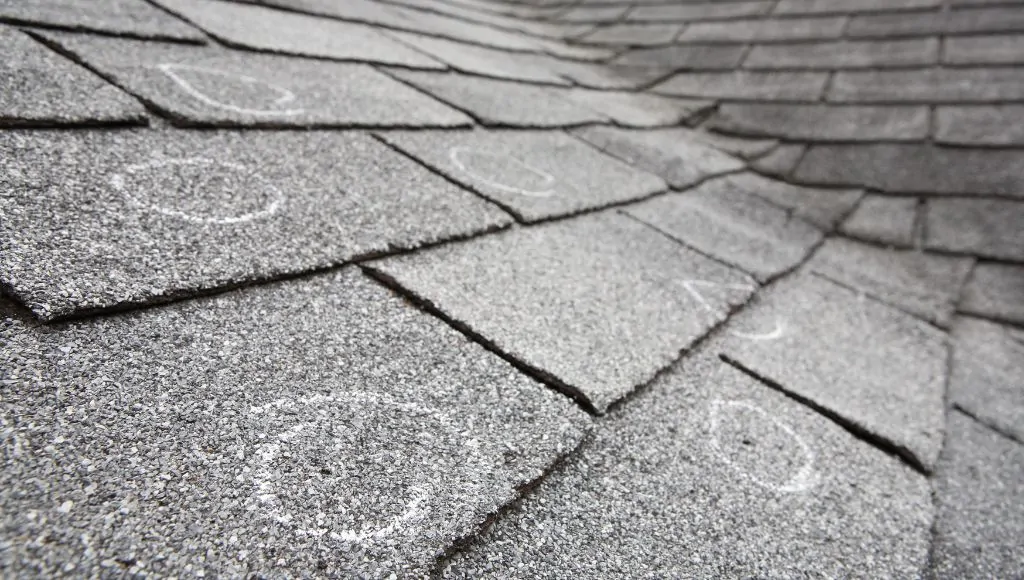
Hail damage happens in stages, and most of it starts below the surface.
Bruising and Soft Spots
A hail strike compresses the shingle mat on impact, which can create a soft spot or bruise that isn’t visible from a distance but weakens the shingle at that point. Over time, bruised areas are more likely to crack or fail.
Granule Displacement
Granules are like tiny pieces of sand that serve as the protective layer embedded in the shingle surface. Hail impact knocks these granules loose, exposing the asphalt underneath to direct UV rays. Once granules are gone, that area ages faster than the rest of the roof.
Exposed Mat and Cracking
With enough force, or after repeated impacts in the same area, the shingle mat becomes fully exposed or cracks outright. This is the point where water has a direct path into the roof deck.
| Damage Type | What It Looks Like | Why It Matters |
| Bruising | Soft, slightly darker spot; hard to see without close inspection | Weakens the shingle before any visible cracking occurs |
| Granule Loss | Bald or thin patches, granules collecting in gutters | Speeds up UV damage and shingle aging |
| Exposed Mat/Cracking | Visible tears, splits, or shiny black patches | Direct entry point for water and leaks |
Other Parts of Your Roof That Hail Can Damage
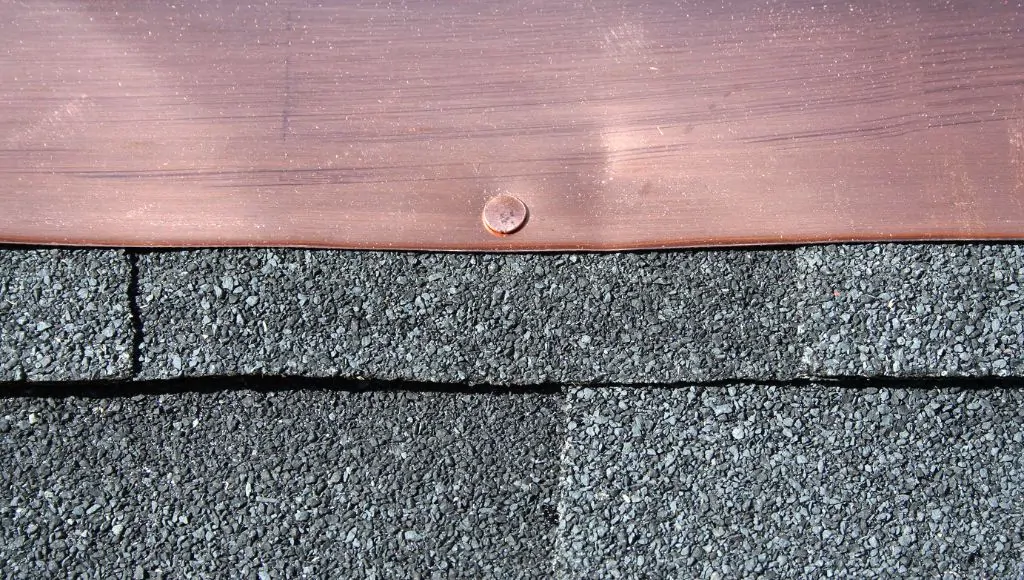
Shingles usually get the attention, but hail can hit everything on the roofline and around it, including:
- Flashing around chimneys, vents, and skylights, which can dent and separate from the roof surface
- Vent covers, which can crack or shatter on impact
- Soffit panels, which can dent or puncture, especially on older or thinner material
- Gutters, which tend to show dents before the shingles show any visible sign of damage
These components are often more visibly damaged than the shingles themselves, which can lead homeowners to assume the roof escaped the storm because the shingles look okay. A full inspection covers everything, not just the parts you can see from the ground.
Related Reading:
- How Spokane & Coeur d’Alene’s Freeze-Thaw Cycles Dry Out Shingles
- How Long Does a Roof Replacement Take in Coeur d’Alene?
Ground Level Clues Worth Checking After a Storm
A few quick checks from the ground can sometimes tell you whether a hailstorm has done damage that makes it worth scheduling a professional inspection, including:
- Granules collecting in gutters or piled up at downspout outlets
- Dents in gutters, downspouts, or metal roof vents
- Dings on an AC unit, deck rails, mailbox, or siding, which give a sense of how much force the hail was carrying
None of these confirm roof damage on their own, but they’re a strong signal that you might want to bring in the professionals for a closer look.
How Hail Size and Wind Direction Change Where Damage Shows Up
Not every roof takes damage evenly, and not every hailstorm behaves the same way. Larger hailstones can cause direct mat damage and cracking, while smaller stones are more often the cause of granule loss on asphalt shingles without visible cracking. And then there’s wind-driven hail that tends to concentrate most of its impact on the side of the roof that faces into the storm.
Most homeowners don’t realize that a roof can sustain real damage on one side while the opposite slope looks completely fine. Checking only the side of the roof visible from the street or driveway can cause you to completely miss damage on the windward slope.
What Happens If Hail Damage Goes Untreated

Hail damage doesn’t announce itself right away, but it doesn’t go away either. A bruised shingle or a bald patch missing its granules keeps doing its job for a while, which is exactly what makes this kind of damage easy to put off. The roof still sheds water, and nothing is dripping into the attic yet. But the clock is already running on a handful of problems that get worse the longer they sit.
- Leaks develop gradually. Exposed mat and cracked shingles don’t leak on day one. They leak the first time enough rain or snowmelt finds that weak point, and by then, water may have already been tracking under the surface for months.
- Aging speeds up. Bruised or granule-stripped areas lose their protection against UV exposure, so those spots break down faster than the rest of the roof. A shingle rated for 25 or 30 years can fail well ahead of schedule in the spots where hail hits hardest.
- Small problems spread. A single cracked shingle left unrepaired lets water reach the decking underneath. Once moisture gets into the wood, repair costs shoot up from a shingle-level fix to a decking-level one, which is far more costly than fixing the initial shingle would have been.
- Warranty claims get complicated. Manufacturers and insurers both look for a clear timeline between the storm and the damage shown on your roof. Waiting months to document hail damage just makes it harder to prove that the damage came from a specific event rather than general wear.
None of this means every hail strike ends in a major repair. It just means the window to catch it cheaply is usually right after the storm, not months later when the first leak shows up.
Steps to Take After a Hailstorm in Spokane or Coeur d’Alene

- Document the damage: Take photos of the roof if it’s safe to do so, as well as the gutters, siding, AC units, and anything else that shows signs of impact.
- Contact your insurance company: Report the storm and start a claim, even if damage isn’t obvious yet.
- Schedule a professional inspection: Get an experienced eye on the roof before making any decisions about repairs or filing paperwork.
Timing matters here because many insurance companies set specific windows for storm-related claims, so getting an inspection scheduled soon after the storm keeps your options open.
How Remedy Roofworks Handles Hail Damage Claims
Our team visits your property and inspects the entire roof system, not just the visible slope. Once our inspection is done, we provide a written summary of everything we’ve found.
If there’s damage, we document it in a way that holds up with insurance adjusters, and we walk you through your next moves, whether that’s a targeted repair or something more involved. We’re not paid more for recommending replacement, so our read on the damage reflects what the roof actually needs.
We serve homeowners across Spokane, Coeur d’Alene, Hayden, Post Falls, Rathdrum, and Greenacres, and we’re based right in Hayden if you ever want to stop by.
If you want a better look at the condition of your roof before the next storm hits, call us at (208) 551-5703 or book an inspection online today.