

Summary
Most homeowners blame roof damage on storms. In Northern Idaho and Eastern Washington, the bigger threat is temperature, not just storms. Freeze-thaw cycles in the Spokane-Coeur d’Alene corridor strip essential oils from asphalt shingles, break flashing seals, and create ice dams that back up water under the eaves. A roof that might last 25 years in Seattle can show serious wear at 15 here. Learn the warning signs and how Roof Maxx can restore dried-out shingles for a fraction of replacement cost.
| Time to Read | ~6 minutes |
| What You’ll Learn |
|
| Next Steps |
|
Most homeowners think about roof damage in terms of dramatic events, a windstorm, a hail hit, a fallen branch. But in Spokane and Coeur d’Alene, the thing quietly destroying asphalt shingles year after year isn’t a single storm. It’s temperature. Specifically, it’s the relentless cycle of freezing and thawing that’s unique to this corner of the Inland Northwest.
If your roof is 12 years old or older, freeze-thaw damage is probably already happening. Here’s what it looks like, why this region is especially hard on shingles, and what you can do about it before it becomes a $20,000 problem.
Why This Region’s Temperature Swings Are Unusually Hard on Roofs
The Geography Behind the Problem
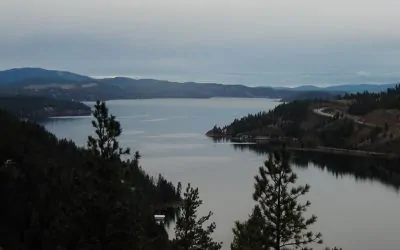
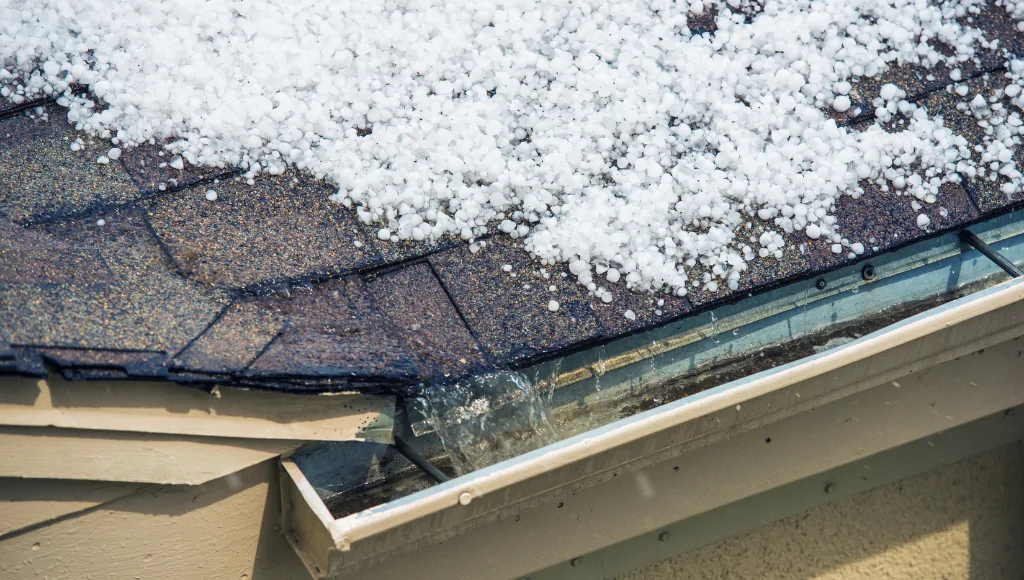
Spokane and Coeur d’Alene sit in a transition zone between the Pacific maritime climate to the west and the drier, colder continental climate to the east. That position means the region doesn’t get the temperature stability that western Washington and Oregon enjoy from consistent marine air.
Instead, it gets hard freezes followed by rapid warm-ups driven by chinook-style winds coming off the mountains. Temperatures can swing 20 to 30 degrees in less than a day. That’s not a seasonal transition; that’s a weekly or monthly event from November through March.
How This Compares to the Rest of the Pacific Northwest
| Region | Winter Climate | Freeze-Thaw Risk |
| Seattle/Portland | Mild, maritime, few hard freezes | Low |
| Spokane/Coeur d’Alene | Cold snaps + rapid Chinook warm-ups | High |
| Eastern Montana/Wyoming | Consistently cold, fewer thaw cycles | Moderate |
The Spokane-Coeur d’Alene corridor doesn’t just get cold winters like other places. It gets winters with frequent, dramatic swings, which makes it especially damaging to roofing materials.
What Freeze-Thaw Does to Asphalt Shingles
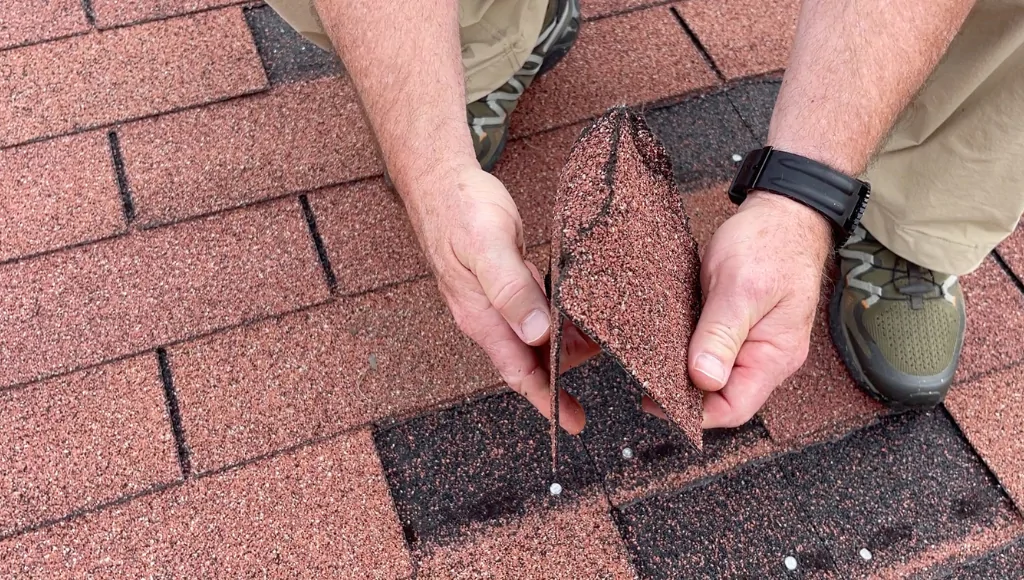
Asphalt shingles contain oils in the asphalt layer that help keep the shingles flexible, water-resistant, and bonded to the granules. As the roof ages, the oils slowly evaporate, and repeated freeze-thaw cycles speed that process up.
When temperatures drop, the material contracts. When it warms up again, it expands. That constant movement puts stress on your shingles over time, and after hundreds of these cycles across 10 to 15 years, the wear starts to add up in ways you can see:
- Micro-cracks develop across the shingle surface
- Granules loosen and wash into the gutters
- Edges begin to curl upward or cup downward
- The shingle becomes brittle and prone to cracking underfoot or on impact
This is the kind that happens slowly and, unlike storm damage, doesn’t announce itself until you’ve got a leak or a visible problem from the ground.
What Happens to Flashing
Flashing, which is the metal strips that seal around chimneys, pipe boots, vents, and skylights, expands and contracts at a different rate than the surrounding shingles and underlayment. That differential movement gradually works the sealant loose at the edges.
The result is tiny gaps around penetrations that are invisible from the ground but wide enough for water to get in. When ice forms in those gaps, it can wedge them wider. Flashing failures are behind the majority of the interior leak calls we get in late winter and early spring.
Ice Dams and the Freeze-Thaw Problem That Gets Expensive Fast
Ice dams are a direct product of freeze-thaw cycling, and one we see frequently here in the Spokane-Coeur d’Alene corridor. Here’s how they form:
- Heat escaping through the attic warms the upper sections of the roof deck
- Snow on the upper roof melts and runs down toward the eaves
- The eaves, which have no heat below them, stay cold and refreeze the meltwater
- Ice builds up at the eave line, creating a dam
- Subsequent meltwater pools behind the dam and backs up under the shingles
In a climate with frequent midwinter thaws, this cycle can repeat multiple times per season. And shingles that are already dried out and brittle from years of thermal cycling do a worse job of shedding pooled water, which increases the risk of interior damage.
Warning Signs Your Shingles Have Freeze-Thaw Damage
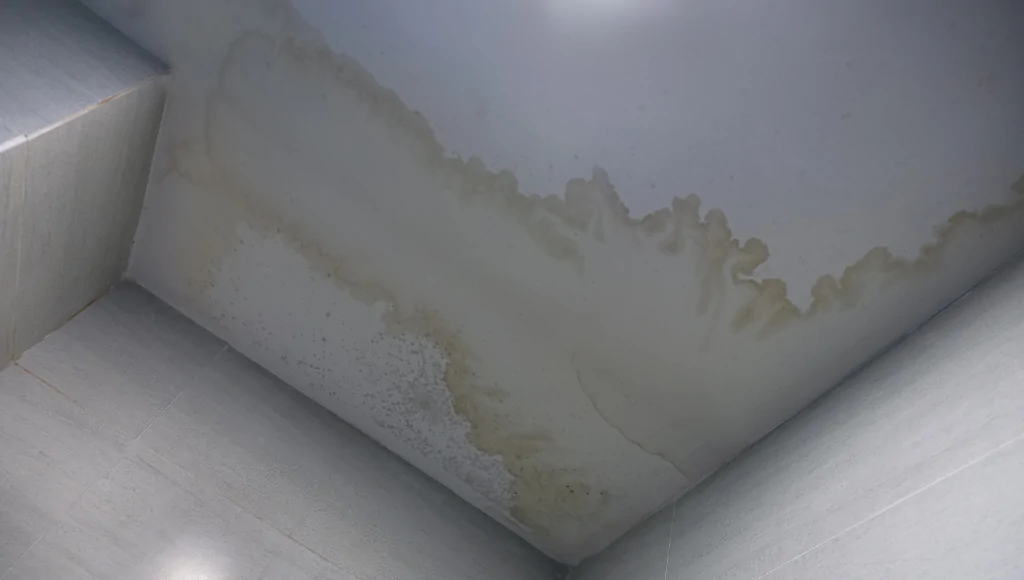
You don’t always need to get on the roof to spot trouble. Many of these are visible with binoculars from the ground or yard.
What to Look For Outside
- Curling or cupping edges: shingle corners or edges that have lifted or curled inward
- Cracking or splitting: visible fractures across the shingle face, most common on south and west-facing slopes
- Dark or bare patches: areas where granules have worn away, exposing the darker asphalt underneath
- Granules in the gutters: a significant amount of granule buildup in downspout runoff is a reliable indicator
What to Look For Inside
- Water stains on the ceiling drywall, especially after a thaw period
- Damp or discolored areas in the attic near eaves or penetrations
- Frost or moisture on the attic sheathing in winter
If you’re noticing any of these signs, it’s a good idea to schedule an inspection before next winter. Roof damage doesn’t fix itself, and waiting usually allows moisture to get in and the problem to spread, which can shorten the time before a full replacement is needed.
How Roof Maxx Restores Dried-Out Shingles
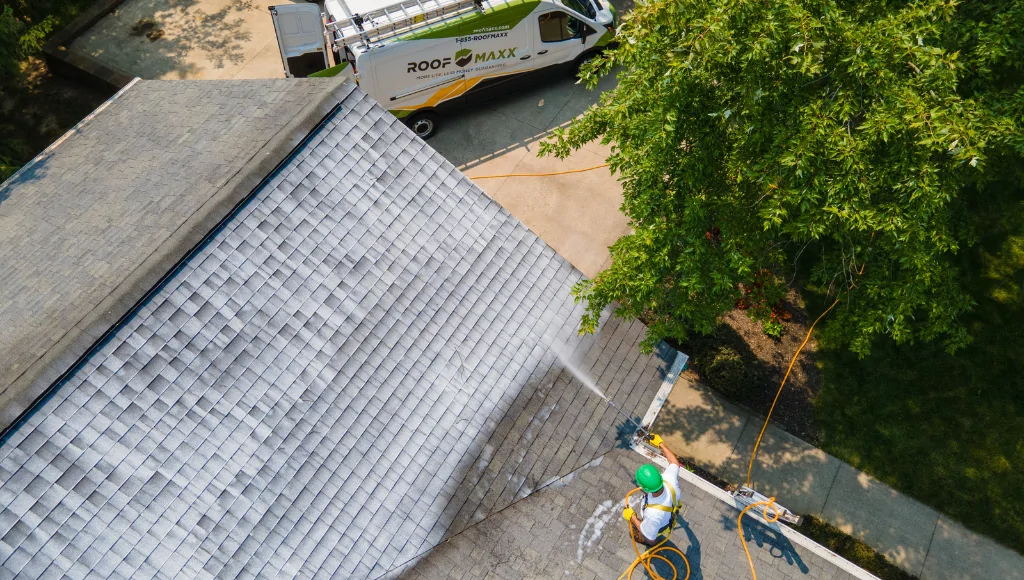
Not every roof showing freeze-thaw wear needs to be replaced. That’s the core of what we do at Remedy Roofworks: we assess whether a roof can be restored before recommending a tear-off.
Roof Maxx is an all-natural, oil-based rejuvenation treatment that replenishes the oils that freeze-thaw cycles strip out of asphalt shingles. It restores flexibility and waterproofing to shingles that have dried out but haven’t structurally failed.
Roof Maxx vs Roof Replacement
| Roof Maxx Treatment | Full Replacement | |
| Typical Cost | $2,000 – $3,500 | $18,000 – $38,000 |
| Life Extension | Up to 5 years per treatment | New roof lifespan |
| Repeat Treatments | Yes, up to 15 additional years total | N/A |
| Warranty | 5-year transferable | Varies by product/Remedy Labor Warranties |
| Best For | Roofs 10-20 years old with dried shingles | End-of-life or structurally failed roofs |
A Hayden homeowner we worked with recently was quoted $22,000 for a full replacement. After a free inspection, we determined the roof was a strong candidate for Roof Maxx. The treatment cost was $2,400, and the roof is still performing well.
Keep in mind that Roof Maxx isn’t the right fit for every roof. If there’s rotted decking, structural damage, or shingles that are truly at the end of their lifespan, replacement is usually the better call. But for roofs that are drying out from years of temperature swings, Roof Maxx can often be a smart first step before considering a full replacement.
How to Protect Your Roof Through Freeze-Thaw Season

Prevention matters, especially in this climate. These four steps go a long way:
1. Improve Attic Ventilation
Proper airflow keeps the roof deck temperature more consistent, which reduces ice dam formation and slows down the uneven thermal cycling that causes the most damage. If your attic runs hot in winter, it’s worth having ventilation evaluated.
2. Schedule a Fall Inspection
The best time to find and fix freeze-thaw damage is before winter sets in, not after. A fall inspection catches vulnerable flashing, failing sealants, and shingles that won’t survive another season of thermal stress.
3. Fix Small Problems Before They Grow
A missing shingle or a failing pipe boot in October becomes a water infiltration problem by February. Small repairs in the $400 to $800 range can prevent damage that costs several times that to fix in the spring.
4. Consider Roof Maxx Before Shingles Reach End of Life
Proactive treatment at 12 to 15 years is more effective than waiting for visible failure. By the time shingles are badly cracked and curling, some of the treatment benefits are already limited.
Get a Free Roof Inspection Before Summer
If your roof is more than 10 years old and it’s been through another Inland Northwest winter, it’s worth having someone take a look. Remedy Roofworks offers free inspections with no obligation and a written summary of our findings.
We serve Spokane, Coeur d’Alene, Hayden, Rathdrum, Post Falls, and surrounding communities in Northern Idaho and Eastern Washington. Give us a call at (208) 217-5173 or request an inspection online to get scheduled.
Restore. Repair. Replace. In that order.