
Updated May 2026
Summary
Metal roofing is one of the most durable, low-maintenance, and cost-effective roofing investments a homeowner can make. With a lifespan exceeding 50 years, superior weather resistance, and energy-efficiency advantages, it outperforms asphalt, wood shake, and tile in nearly every category. Idaho homeowners may also qualify for the federal Section 25C tax credit, covering 30% of the cost of qualifying metal roofing materials, up to $1,200 annually, making the upgrade more attainable than you might expect.
| Time to Read | 6-8 minutes |
| What You’ll Learn |
|
| Next Steps |
|
Metal roofing has become increasingly popular among homeowners in recent years, and for good reason. This durable and versatile roofing option offers a multitude of benefits that make it an attractive choice for both residential and commercial properties. From its exceptional longevity to its energy efficiency and aesthetic appeal, metal roofing provides a range of advantages that set it apart from traditional roofing materials.
At Remedy Roofworks, we provide exceptional metal roofing installation services to ensure our clients get the most out of their metal roofing investment. Let’s talk about those benefits.
Exceptional Longevity
One of the most significant benefits of metal roofing is its exceptional longevity. Unlike asphalt shingles, which typically last 20-30 years, metal roofing can easily surpass 50 years with proper maintenance. This longevity not only saves homeowners money on frequent roof replacements but also reduces the environmental impact of roofing materials by minimizing waste.
To put that in perspective: over the lifespan of a single metal roof, you might go through two or three asphalt roofs, each requiring a full tear-off, disposal, and reinstallation. The long-term cost savings can be substantial, even if the upfront investment is higher.
Energy Efficiency
Metal roofing is highly energy-efficient, helping homeowners reduce their energy consumption and lower their utility bills. Metal roofs reflect solar heat, keeping homes cooler in the summer and reducing the need for air conditioning. Additionally, metal roofing can be installed with insulation layers that further improve thermal performance, making it an ideal choice for energy-conscious homeowners.
In climates like Northern Idaho and Eastern Washington, where summers can be warm and winters cold, a metal roof’s thermal performance pays dividends year-round. Idaho homeowners may also be eligible for the federal Energy Efficient Home Improvement Credit on qualifying metal roofs installed on a primary residence. The credit covers 30% of the cost of qualifying metal roofing materials, up to an annual limit of $1,200, which can be a meaningful offset on your total project cost. We recommend consulting a tax professional to confirm eligibility for your specific installation.
Durability and Weather Resistance
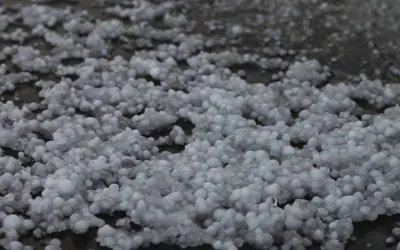
Metal roofing is renowned for its durability and weather resistance, making it an excellent choice for homes in regions with extreme weather conditions. Metal roofs are resistant to fire, wind, hail, and snow, providing reliable protection against the elements year-round. Additionally, metal roofing does not crack, warp, or rot like traditional roofing materials, ensuring that it maintains its structural integrity and aesthetic appeal for decades.
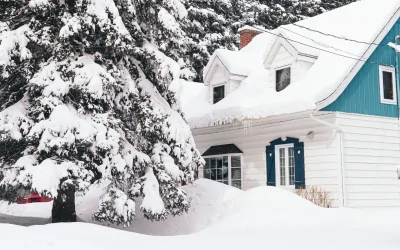
In the Inland Northwest specifically, where heavy snowpack, ice dams, and seasonal freeze-thaw cycles are common, metal roofing’s structural resilience is a huge advantage. Metal sheds snow more efficiently than asphalt or tile, reducing the risk of ice dam formation and the structural stress that comes with heavy snow loads.
Low Maintenance
Another benefit of metal roofing is its low maintenance requirements. Unlike other roofing materials that may require regular cleaning, repairs, and replacements—all of which a Remedy Roofworks roofer can supply—metal roofing is virtually maintenance-free. Metal roofs are resistant to mold, mildew, and pests, reducing the need for costly upkeep and prolonging the life of the roof.
That said, basic periodic inspections are always a good idea. Checking flashing, fasteners, and sealants every few years helps catch any minor issues before they become larger problems, and with metal, those issues are rare.
Aesthetic Appeal
Metal roofing is available in a wide range of styles, colors, and finishes, allowing homeowners to customize their roofs to complement their homes’ architectural design and personal preferences. Whether you prefer the sleek, modern look of standing seam metal roofing or the classic charm of metal shingles, there is a metal roofing option to suit every style and aesthetic.
At Remedy Roofworks, we offer standing seam, corrugated metal, and metal shingle options, each suited to different home styles and budgets. Standing seam is popular for contemporary and mountain-modern homes, and metal shingles mimic the look of traditional materials while delivering the performance advantages of metal.
Environmental Sustainability
Metal roofing is an environmentally sustainable roofing option that offers several eco-friendly benefits. Metal roofs are often made from recycled materials and are fully recyclable at the end of their lifespan, reducing the environmental impact of roofing materials. Additionally, metal roofing reflects solar heat, reducing the urban heat island effect and lowering greenhouse gas emissions associated with air conditioning.
Compared to asphalt shingles, which generate billions of pounds of landfill waste in the U.S. each year, metal roofing’s recyclability makes it a significantly greener choice over the long run. If sustainability is a factor in your decision, metal is one of the most responsible roofing investments you can make.
How Metal Roofing Compares to Other Materials
When weighing your roofing options, it helps to understand how metal stacks up against the most common alternatives.
Metal vs. Asphalt Shingles
Asphalt shingles are the most widely installed roofing material in North America, largely because of their low upfront cost. But the comparison shifts when you look at the full picture:
- Lifespan: Asphalt shingles generally last 20-30 years (less depending on the climate). Metal roofing routinely lasts 50 years or more, often for the life of the home.
- Maintenance: Asphalt shingles are prone to cracking, curling, and granule loss over time, especially in areas with frequent freeze-thaw cycles. Metal requires little to no ongoing maintenance.
- Weather resistance: Metal outperforms asphalt in high winds, heavy snow, and hail. Many metal roofing products carry Class 4 impact resistance ratings, which is the highest available.
- Energy efficiency: Metal reflects solar heat, while asphalt absorbs it. This makes a real difference in summer cooling costs.
- Cost: Asphalt is cheaper upfront, but the lifetime cost of two or three replacements over the same period often exceeds the cost of a single metal roof.
Metal vs. Wood Shake
Wood shake roofing has a classic, rustic look that’s popular in the Pacific Northwest. But it comes with trade-offs:
- Fire resistance: Untreated wood shake is a fire hazard. Metal is non-combustible and typically carries a Class A fire rating.
- Moisture and rot: Wood is vulnerable to moisture infiltration, rot, moss, and lichen, especially in shaded areas or wet climates. Metal is immune to all of these.
- Lifespan: Well-maintained wood shake can last 20-30 years but requires regular cleaning, treatment, and periodic repairs. Metal exceeds that lifespan with far less upkeep.
- Insurance: Some insurers charge higher premiums for wood shake roofs due to the increased fire risk. Metal may qualify for lower rates.
Metal vs. Tile (Concrete or Clay)
Tile roofing is durable and distinctive, but it’s not the right fit for every home or climate:
- Weight: Tile is extremely heavy and may require additional structural support. Metal roofing is lightweight and can often be installed over existing roofing without structural upgrades.
- Freeze-thaw performance: Clay tile can crack under repeated freeze-thaw cycles, which are a real concern in Northern Idaho winters. Metal handles temperature extremes without cracking or degrading.
- Lifespan: Both tile and metal can last 50+ years, making them comparable in longevity. However, individual tiles can crack and are more vulnerable to impact damage.
- Cost: Tile is one of the most expensive roofing options available. Metal offers comparable durability at a more competitive price point.
Is Metal Roofing Right for Your Home?
Metal roofing isn’t the right fit for every situation, but it’s a strong option for homeowners who:
- Plan to stay in their home long-term and want to avoid future replacement costs
- Live in areas with heavy snow, high winds, or wildfire risk
- Want a low-maintenance roof that performs reliably for decades
- Are looking for an energy-efficient upgrade
- Want a distinctive look that holds up as well as it looks
If you’re not sure whether metal is the right choice for your home, Remedy Roofworks offers free, no-obligation estimates. We’ll give you an honest assessment of your current roof’s condition and help you understand all your options, whether that’s restoration, repair, or a full replacement with metal or asphalt shingles.